
Introduction to Pan Seared Steaks
Cooking the perfect steak at home may seem daunting, but mastering the art of pan seared steaks can elevate your culinary game significantly. Whether you're hosting a dinner party or simply treating yourself after a long week, the comforting sizzle of steak hitting a hot pan is music to any food lover's ears.
Why Choose Pan Seared Steaks?
So, why should you opt for pan seared steaks? Here are a few compelling reasons:
-
Flavor Explosion: Pan searing creates a beautiful crust that enhances the natural flavors of the beef. The Maillard reaction—a chemical reaction between amino acids and reducing sugars when meat is cooked—results in those delightful, complex flavors that make each bite memorable. According to culinary experts, it’s this crust that really differentiates a good steak from a great one.
-
Quick and Convenient: Unlike many grilling or roasting methods, pan searing is a relatively quick process. You can go from fridge to table in under 30 minutes. This is especially handy for young professionals who want a satisfying dinner but don’t have hours to spend in the kitchen.
-
Versatility: You can use any cut of beef, from ribeye to sirloin, making it adaptable to your budget and taste preferences. Each cut offers its own unique qualities, so you can keep things fresh by experimenting with various options.
-
Easy to Master: You don’t need to be a kitchen wizard to achieve a steakhouse-quality meal at home. Just a good pan, some quality beef, and a few aromatics like garlic or herbs can create something impressive. You can follow detailed guide on Bon Appétit for tips from the pros.
Finally, pan searing isn’t just limited to dinner; it works wonderfully for meal prep or even a fancy brunch plate alongside some eggs and turkey bacon. So grab your skillet, and let’s dive into how to make the perfect pan seared steaks! You’ll be amazed at how easy and rewarding it is to take this culinary leap.
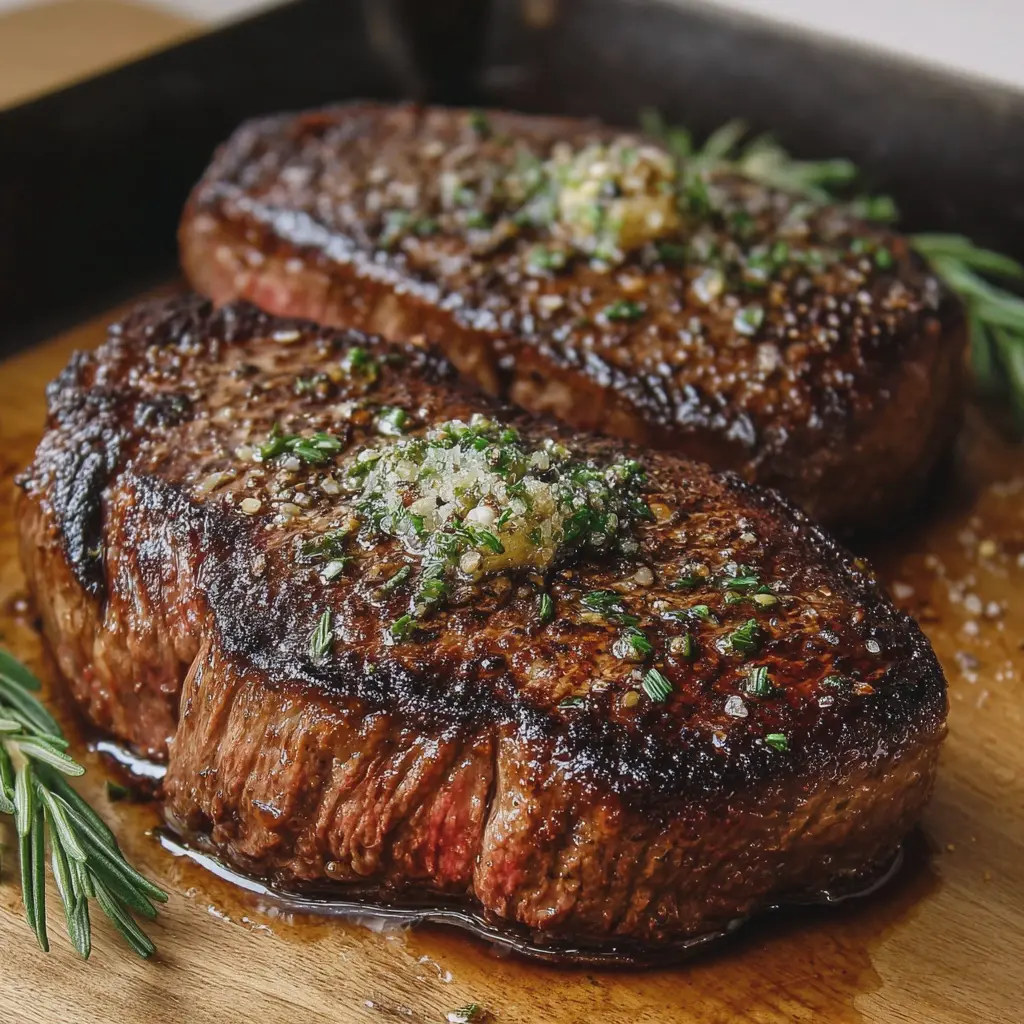
Ingredients for Pan Seared Steaks
Essential ingredients list
When it comes to making pan seared steaks, your choice of ingredients plays a pivotal role in achieving that perfect sear. Here’s what you’ll need:
- Quality steak (ribeye, sirloin, or filet mignon are great options)
- Salt (kosher or sea salt for that rich flavor)
- Freshly ground black pepper (don't skimp on this; it enhances the taste!)
- Cooking oil (high smoke point oils like canola or avocado oil work best)
- Butter (adds richness and a lovely finish)
- Fresh herbs (like thyme or rosemary, optional but recommended)
- Garlic cloves (crushed, for that aromatic touch)
Optional seasoning
To elevate your pan seared steaks, consider these optional seasonings for extra flair:
- Garlic powder (for a deeper umami flavor)
- Paprika (adds a mild sweetness and color)
- Onion powder (boosts savory notes)
- Mustard powder (for a touch of zing)
Feel free to play around with this list—cooking is all about exploration! For tips on choosing the right cuts, check out resources like Serious Eats or Bon Appétit. These will guide you through selecting steaks that fit your taste and budget perfectly. How do your favorite seasonings stack up? It might be time to find out!
Preparing Pan Seared Steaks
When it comes to cooking pan seared steaks, there’s a certain artistry involved. It’s not just about throwing a piece of meat in a skillet; it’s about creating a flavorful masterpiece that leaves everyone at the table satisfied. Here’s a step-by-step guide to ensure you can master this technique and impress your friends or family.
Bring the Steaks to Room Temperature
Before you start cooking, it’s essential to let your steaks come to room temperature. Simply take them out of the fridge about 30 minutes before you plan to cook. This is important because cooking cold steaks leads to uneven cooking, making it harder to achieve that perfect sear. Plus, a steak at room temperature will cook more evenly, resulting in a more juicy and tender bite.
Patting the Steaks Dry
Once your steaks have warmed up, it's time to dry them off. Using paper towels, gently pat the steaks on both sides to remove any excess moisture. This step is crucial; moisture on the surface will create steam in the skillet, which can hinder that beautiful sear you’re aiming for. Think of it like this: the drier the surface, the better the crust!
Seasoning the Steaks
Now comes one of the most enjoyable parts: seasoning. Simplicity often reigns supreme in steak preparation. Here’s a straightforward approach:
- Kosher salt: Generously sprinkle salt all over your steaks. Its large crystals penetrate the meat while allowing you to control the flavor better.
- Freshly ground pepper: Add a good amount of black pepper on both sides for a little kick.
If you’re feeling adventurous, feel free to add additional spices or herbs, but remember: less is often more. A well-seasoned steak speaks for itself.
Preheating the Skillet
The next step is crucial: preheating your skillet. You’ll want to heat a cast iron skillet or stainless steel pan over medium-high heat for about 5 minutes. It should be hot enough that a drop of water sizzles and evaporates almost immediately upon contact. If you’re not sure, toss in a dash of oil—if it shimmers, you’re ready to go!
Cooking the Steaks
With your skillet preheated, add a high smoke point oil (like canola or grapeseed oil) to the pan. Once the oil shimmers, it’s time to add the steaks. Don’t overcrowd the pan, as this will lead to steam instead of a sear. Sear each side for about 3–4 minutes without moving them, allowing for that perfect golden crust to develop. Depending on the thickness of your steaks, you might need to adjust the cooking time.
Checking for Doneness
To check if your pan seared steaks are done to your liking, use the trusty finger test or a meat thermometer (which can be really handy). Here’s a quick reference:
- Rare: 120°F
- Medium-rare: 130°F
- Medium: 140°F
- Medium-well: 150°F
- Well-done: 160°F or higher
If you manage to find that sweet spot of medium-rare, consider yourself a steak wizard!
Resting the Steaks
After cooking, resist the temptation to dive right in; let your steaks rest on a cutting board for about 5–10 minutes. This resting period allows the juices to redistribute throughout the meat, ensuring that every bite is succulent and full of flavor.
By following these steps closely, you’ll soon discover that preparing pan seared steaks is not only straightforward but immensely rewarding. A well-cooked steak may just become your new go-to dish for impressing guests or enjoying a comforting night in. And remember, practice makes perfect, so don’t hesitate to try again! For more tips on enhancing your cooking skills, check out resources like Serious Eats for expert advice and delicious recipes. Happy cooking!
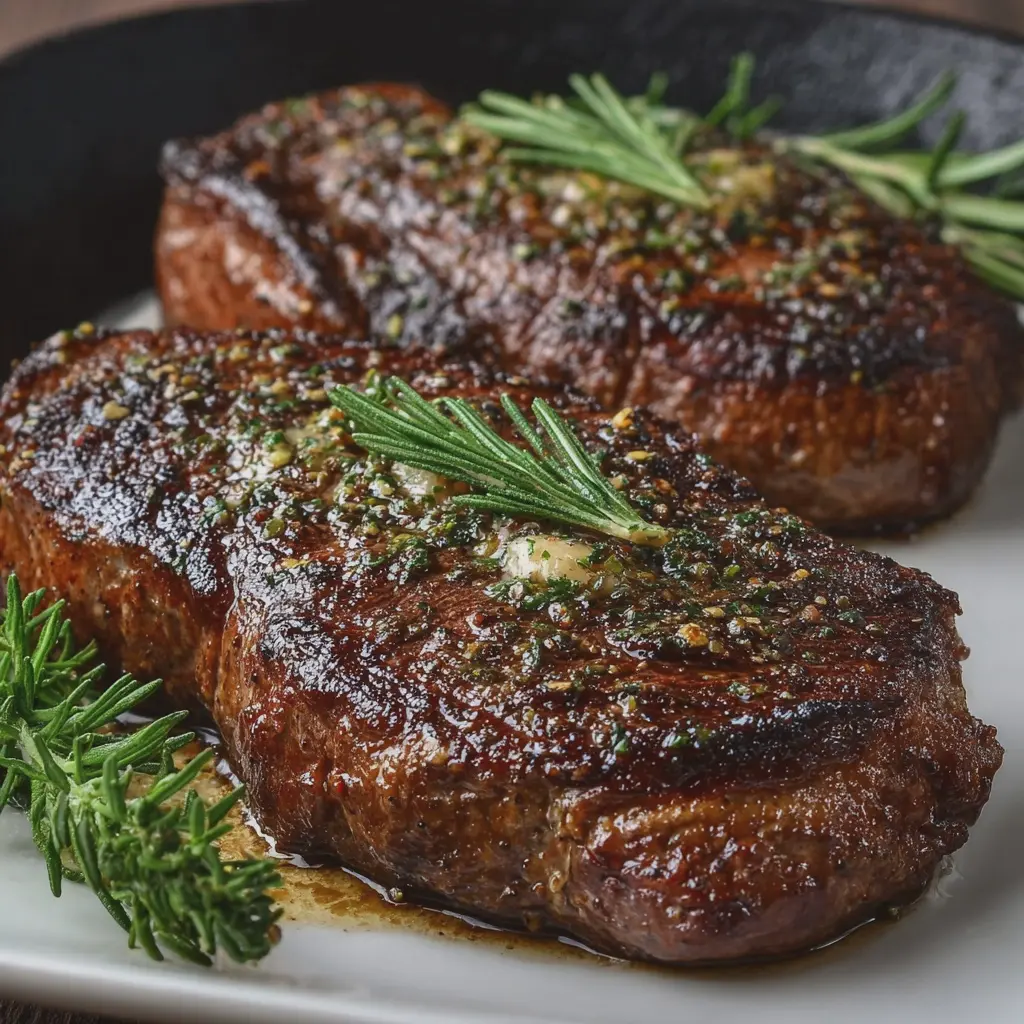
Variations on Pan Seared Steaks
When it comes to pan seared steaks, the canvas is wide open for creativity! Let’s explore a couple of delicious ways to elevate your steak experience that are easy to incorporate into your meal prep routine.
Adding a Garlic Herb Butter
One flavorful twist you can’t go wrong with is garlic herb butter. Just imagine a luscious pat of this aromatic spread melting over your perfectly cooked steak. Here's how to do it:
- Ingredients: Mix together softened butter with minced garlic, chopped fresh herbs like parsley or thyme, and a pinch of salt.
- How to Use: After you’ve seared your steak to perfection, spoon a dollop of this heavenly butter right on top. Let it melt for a flavorful finish that complements the rich meat beautifully. You can learn more about different herb variations at Epicurious.
Experimenting with Spice Rubs
If you're looking to spice things up (literally!), experimenting with various spice rubs can provide an exciting twist to your pan seared steaks. Consider trying:
- Coffee Rub: Combining ground coffee, brown sugar, and chili powder creates an unexpected yet delightful crust.
- Cajun Spices: For a bit of southern flair, mix paprika, cayenne, and garlic powder for a kick.
Using spice rubs not only enhances flavor, but they can also create an amazing crust on your steak. It’s a fun way to get creative and adapt the dish to suit your palate. Plus, you might discover your new favorite combination!
By exploring these variations, you’ll transform your pan seared steaks into a gourmet meal right at home. Happy cooking!
Cooking Tips for Pan Seared Steaks
Importance of Skillet Choice
Your skillet can make or break your pan seared steaks. A heavy-bottomed cast iron or stainless steel pan is ideal for searing because it retains heat effectively. This enables you to achieve that perfect crispy crust we all crave. If you’re unsure where to start, check out reviews of skillets on Cooks Illustrated to help make your choice.
Tips for Perfect Crust Formation
To achieve that enviable crust on your steak, here are some key tips:
- Pat your steak dry. Excess moisture will prevent a good sear. Use a paper towel and really get in there!
- Don't crowd the pan. If you're cooking multiple steaks, cook them in batches to allow for even searing.
- Preheat your skillet. Wait until it’s smoking hot before adding the steak; this helps seal in the juices.
- Let it rest! After cooking, give your steak a few minutes to rest before slicing. This helps redistribute the juices for a juicier bite.
By following these steps, you’ll be on your way to mastering the art of pan seared steaks.
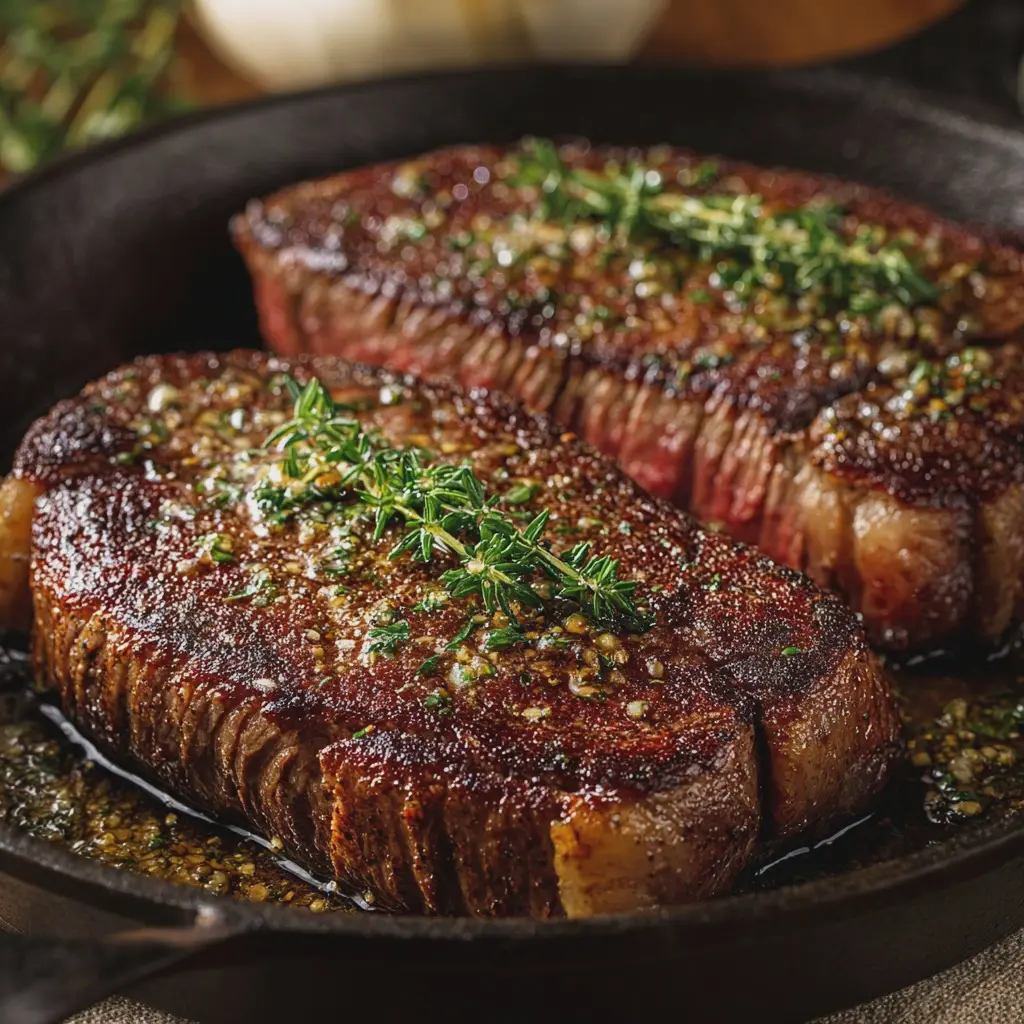
Serving suggestions for Pan Seared Steaks
Best sides to complement pan seared steaks
Pairing your pan seared steaks with the right sides can elevate your meal to new heights. Here are a few delicious options:
- Garlic Mashed Potatoes: Creamy potatoes with a kick of garlic perfectly balance the richness of steak.
- Roasted Vegetables: Toss seasonal veggies like carrots, Brussels sprouts, or zucchini in olive oil, salt, and pepper for a colorful and nutritious side.
- Simple Green Salad: A light salad with arugula, cherry tomatoes, and a zesty vinaigrette freshens up the palate between bites.
Check out this article for more salad ideas!
Creative serving ideas
When it comes to serving pan seared steaks, presentation can make all the difference. Consider these creative ideas:
- Serve on a Bed of Spinach: Plating your steak over sautéed spinach not only adds color but also boosts the nutritional value.
- Top with Herb Butter: A pat of herbed butter right before serving melts into the steak, enhancing its flavor with minimal effort.
- Use a Wooden Board: Presenting your steak on a rustic wooden board adds a cozy touch, perfect for casual gatherings.
Let your creativity shine while keeping it approachable—your guest will surely appreciate the effort!
Time Breakdown for Pan Seared Steaks
Understanding the time commitment for your delicious pan seared steaks can make all the difference between a rushed meal and a culinary masterpiece. Here’s a quick breakdown to help you plan your cooking session perfectly.
Preparation Time
To get started, you’ll need about 15-20 minutes for preparation. This includes choosing your favorite cut of beef, trimming it, and seasoning it to perfection. A little hint: letting your steaks rest at room temperature for about 30 minutes brings out the flavor.
Cooking Time
Once you hit the stovetop, your pan seared steaks will take about 8-10 minutes to cook, depending on thickness and your desired doneness. For a medium-rare finish, aim for around 4 minutes per side on high heat.
Total Time
In total, you're looking at roughly 30-40 minutes from start to finish. This makes it easy to whip up a fantastic meal after a long day. The key is to manage your prep and cooking times well—once you get the hang of it, you’ll impress friends and family easily! For more great recipes and techniques, check out resources like Serious Eats or Bon Appétit.
Nutritional Facts for Pan Seared Steaks
When you're cooking pan seared steaks, it's great to know not just how to make them delicious, but also what you're putting on your plate. Here are some key nutritional insights to keep in mind.
Calories per serving
A typical serving of pan seared steak contains approximately 250-300 calories, depending on the cut you choose. Leaner cuts like sirloin are lower in calories compared to ribeye, which is juicier and richer.
Protein content
One of the biggest benefits of indulging in a beautifully cooked steak is its impressive protein content. A standard serving can provide about 22-30 grams of protein. This makes it a great choice for muscle recovery and overall health, especially for those active in fitness or sports.
Sodium levels
Sodium in pan seared steaks can vary by seasoning and preparation, but generally, they contain around 60-80 mg per serving without any added salts or sauces. Monitoring your sodium intake is essential for maintaining heart health, and you can always opt for herbs or spices for flavor!
For more about healthy eating habits and nutritional guidelines, check out resources from the USDA or Healthline.
FAQs about Pan Seared Steaks
What is the best cut of steak for pan searing?
When it comes to pan seared steaks, a few cuts stand out. Choose from:
- Ribeye: Rich in marbling, it provides a tender, juicy experience.
- Filet Mignon: If you prefer something leaner, this cut is incredibly tender.
- Sirloin: A great balance of flavor and cost, perfect for everyday meals.
- New York Strip: Offers a good mix of tenderness and flavor without being overly fatty.
For a deeper dive into the different cuts, check out Beef It's What's for Dinner.
How do I achieve the perfect medium-rare steak?
Achieving that perfect medium-rare steak is surprisingly simple, yet so fulfilling. Here’s how:
- Use a meat thermometer: Aim for an internal temperature of 130-135°F.
- Sear quickly: Heat your pan until it’s hot but not smoking, and sear each side for about 3-4 minutes.
- Rest your steak: Allow it to rest for at least 5 minutes after cooking. This helps the juices redistribute for that succulent bite.
Using a thermometer ensures you won't second-guess your steak doneness. The USDA guidelines can provide more detailed instructions.
Can I use non-stick pans instead of cast iron?
While you can use non-stick pans, cast iron is preferred for pan seared steaks. Here’s why:
- Superior heat retention: Cast iron maintains high temperatures better, giving that delicious crust.
- Versatility: You can transition from stovetop to oven without any problems.
If you don’t have a cast iron skillet, choose a heavy stainless steel pan for decent results. Remember: it’s all about that hot, even cooking surface!
Let cooking a pan-seared steak be your next culinary adventure—it’s easier than you think and oh-so-rewarding!
Conclusion on Pan Seared Steaks
Recap of the Joy of Homemade Steaks
There's something incredibly satisfying about creating pan seared steaks right in your kitchen. The sizzle of the meat, the aroma filling the air, and the anticipation of that first bite all contribute to a delightful cooking experience. Whether you're preparing a romantic dinner or a casual weeknight meal, homemade steaks elevate any occasion.
By mastering the technique of pan searing, you ensure a perfect crust and juicy interior every time. Not to mention, it's a healthy, budget-friendly option compared to dining out. So, roll up your sleeves and get ready to impress. You can find wonderful resources like Serious Eats or The Kitchn for expert tips on perfecting your steak game. Happy cooking!
PrintPan Seared Steaks: Juicy Perfection for Your Home Kitchen
Learn how to make the perfect pan seared steaks that are juicy and flavorful, right in your home kitchen!
- Prep Time: 10 minutes
- Cook Time: 10 minutes
- Total Time: 20 minutes
- Yield: 2 servings
- Category: Main Dish
- Method: Pan Seared
- Cuisine: American
- Diet: Gluten Free
Ingredients
- 2 ribeye steaks fresh and well-marbled
- 2 teaspoons salt
- 1 teaspoon black pepper
- 2 tablespoons olive oil
- 3 cloves garlic, smashed
- 2 sprigs fresh thyme
- 2 tablespoons butter
Instructions
- Remove the steaks from the refrigerator and let them come to room temperature for about 30 minutes.
- Season both sides of the steaks generously with salt and pepper.
- In a large skillet, heat the olive oil over medium-high heat until shimmering.
- Add the steaks to the skillet, cooking for 4-5 minutes without moving them.
- Flip the steaks and add the garlic, thyme, and butter to the pan.
- Baste the steaks with the melted butter for about 3-4 more minutes for medium-rare.
- Remove the steaks from the skillet and let them rest for at least 5 minutes before slicing.
Notes
- For an extra flavor boost, try marinating the steaks for a few hours before cooking.
- Use a meat thermometer to check for doneness: 130°F for medium-rare.




Leave a Reply