
Introduction to Traditional Greek Salad
The allure of fresh ingredients and Mediterranean flavors
Have you ever tasted a salad that feels both refreshing and hearty at the same time? That’s the charm of a Traditional Greek Salad. With its vibrant colors and bold flavors, this salad encapsulates the essence of Mediterranean dining. At its heart, the Greek salad is a celebration of fresh, high-quality ingredients—a philosophy that resonates deeply in Greek cuisine, where what's in season often takes center stage.
The primary components of a Traditional Greek Salad include ripe tomatoes, crisp cucumbers, fragrant bell peppers, and tangy red onions, generously tossed with Kalamata olives and creamy feta cheese. Each ingredient not only contributes to the salad's striking visual appeal but also adds its unique flavor profile. Did you know that using locally sourced produce can enhance taste and nutritional value? For instance, opting for organic tomatoes or feta cheese can elevate your salad from ordinary to spectacular. Just imagine biting into a juicy, sun-ripened tomato that bursts with flavor!
But the magic of a Greek salad doesn’t stop there. A simple dressing, typically made from high-quality extra virgin olive oil, lemon juice, and a touch of oregano, infuses everything with a delightful zest. According to the Mediterranean Diet study, meals rich in olive oil can help reduce the risk of heart disease and promote overall health.
As you prepare your Traditional Greek Salad, think of it as more than just a side dish; it can serve as a light main course or a fantastic accompaniment to grilled meats—like a delicious chicken ham or turkey bacon dish. Picture hosting a dinner where this colorful salad becomes the centerpiece of a Mediterranean feast.
In a world where many meals seem rushed and overly complicated, the Traditional Greek Salad offers a reminder that simplicity, when rooted in fresh ingredients, can be incredibly rewarding. So, why not gather your friends, enjoy some laughter, and whip up this timeless dish? After all, there’s nothing quite like sharing a meal made with love and the freshest ingredients around!
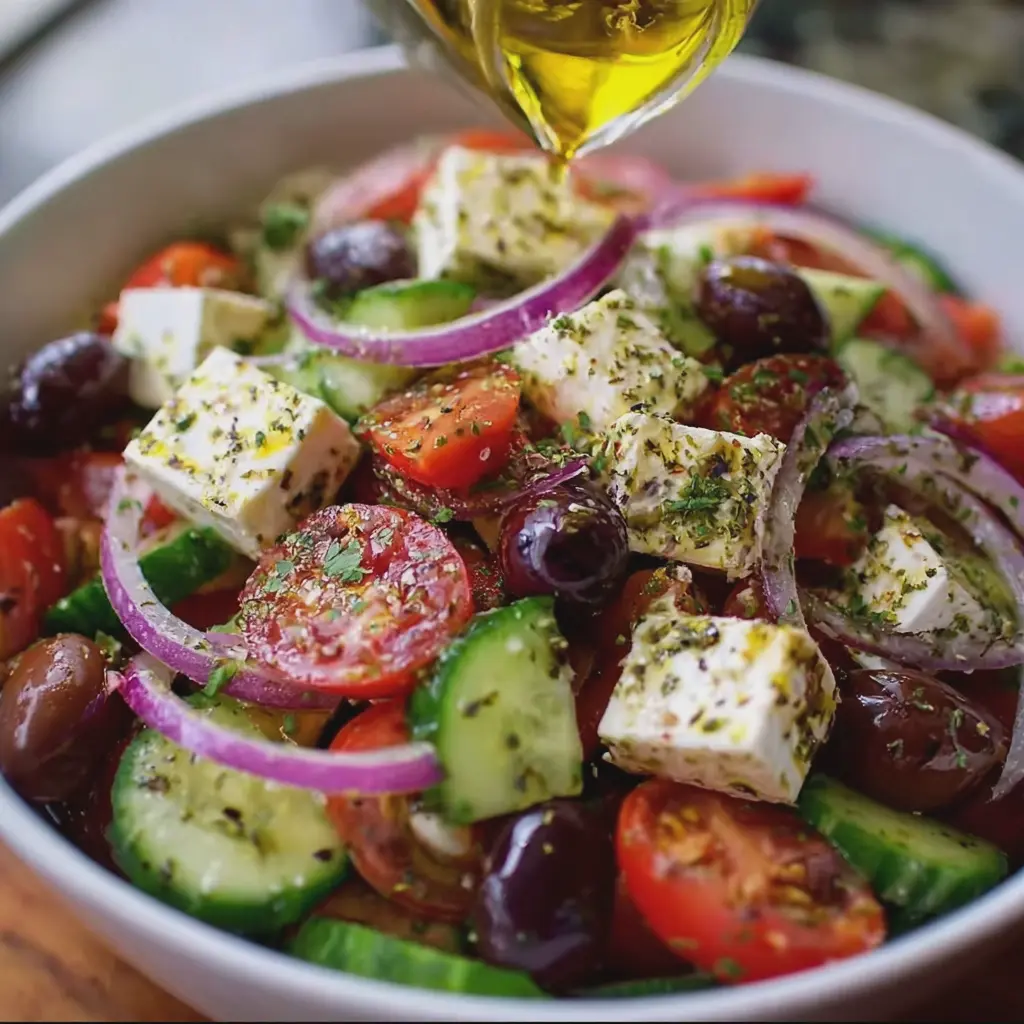
Ingredients for Traditional Greek Salad
Fresh veggies that make the salad pop
A key component of any Traditional Greek Salad is, of course, the vibrant vegetables. Fresh, crisp veggies not only add color but also a burst of flavors that make your salad truly stand out. Here’s what you’ll need:
- Ripe tomatoes: Cut into chunky pieces to provide sweetness and juiciness.
- Crisp cucumbers: Sliced or diced to add a refreshing crunch.
- Red onions: Thinly sliced for a hint of sharpness.
- Bell peppers: Use any color, chopped for vibrancy and sweetness.
- Kalamata olives: These briny jewels bring a depth of flavor.
- Feta cheese: Crumbled or in large blocks, it adds creaminess and tang.
Essential dressing components for that perfect taste
Now, let’s talk dressing—the soul of your Traditional Greek Salad. This simple yet flavorful blend brings everything together. Here’s what you’ll want:
- Extra virgin olive oil: Essential for richness, choose high-quality oil for the best flavor.
- Fresh lemon juice: A splash for a zesty kick that brightens the salad.
- Dried oregano: Adds that classic Mediterranean touch; it elevates the overall taste.
- Salt and pepper: Just a pinch will do to enhance the freshness of your veggies.
Feeling adventurous? You might want to check out this cookbook that dives deeper into Mediterranean flavors! Enjoy crafting your salad!
Step-by-step preparation of Traditional Greek Salad
If you’re looking for a fresh and delicious dish that beautifully marries flavors and colors, Traditional Greek Salad is just what you need. Known for its simplicity and vibrant ingredients, this salad is as beautiful as it is healthy. Let’s dive into the process of preparing this Mediterranean classic so you can impress your friends or simply enjoy a delightful meal at home.
Preparing your fresh vegetables
Start with the star of the show—fresh veggies! The quality of these ingredients can make or break your Traditional Greek Salad, so choose them wisely. Here’s what you’ll need:
- 2 large tomatoes (ripe and juicy)
- 1 medium cucumber (preferably English)
- 1 bell pepper (red or green, depending on your preference)
- 1 small red onion
- A handful of Kalamata olives (pitted)
Steps:
-
Wash Thoroughly: Rinse all your vegetables under cold water. This step is crucial as it removes any pesticides or dirt that might linger. Remember, fresh is always best!
-
Chop with Care: Dice the tomatoes into bite-sized pieces. For the cucumber, slice it in half lengthwise and then chop it into half-moons. Cut the bell pepper into thin strips, and slice the red onion into rings or half-moons, depending on your preference.
While it may seem trivial, the way you cut your veggies will impact the texture of your salad. You want different sizes and shapes to create visual interest and diverse bite experiences.
Making the zesty Greek dressing
Next up is the dressing, the spark that brings the Traditional Greek Salad to life. A good dressing ties all your ingredients together, so don’t skimp here! This version is simple yet flavorful:
- ¼ cup extra virgin olive oil
- 2 tablespoons red wine vinegar
- 1 teaspoon dried oregano
- Salt and pepper to taste
Steps:
-
Mix It Up: In a small bowl, whisk together the olive oil, red wine vinegar, and dried oregano. A fork works perfectly for this. Make sure the oil and vinegar emulsify slightly for a creamy texture.
-
Season It: Add salt and pepper to taste. Consider adding a pinch of sugar if you prefer a slightly sweeter dressing, which counterbalances the acidity.
Your dressing is now ready! Feel free to taste and adjust—you know your palate best.
Assembling the salad
This is where the magic happens! Layering your ingredients not only makes for a gorgeous presentation but also helps each component shine.
Steps:
-
Start with the Base: In a large serving bowl, start by adding the diced tomatoes at the bottom. They will create a lovely, juicy base for the other ingredients.
-
Layer On: Next, add in your cucumbers, bell peppers, and red onions. This layering technique helps maintain both flavor and texture while ensuring each bite has an array of tastes.
-
Olives & Feta Time: Toss the Kalamata olives on top for a briny punch. Now, for the pièce de résistance: crumble your feta cheese (ideally, a block-style feta) generously over the top.
Tossing everything together without breaking the feta
It’s essential to mix your Traditional Greek Salad carefully to keep those feta chunks intact. Here’s how:
Steps:
-
Gentle Movement: Using two large spoons or salad tongs, gently toss the salad together. Try not to break the feta too much; you want it to remain chunky for that ideal creamy burst in every bite.
-
Dress and Serve: Just before serving, drizzle your zesty dressing over the salad and do one last gentle toss. This will ensure everything is coated and ready to be enjoyed.
Now your Traditional Greek Salad is ready to serve! Enjoy it as a side dish or a light main course, and watch your friends rave about this Mediterranean delight. Don’t forget—you can always customize the ingredients based on your preferences or what’s in season. Happy salad-making!
For more tips on Mediterranean cuisine, check out resources like Mediterranean Food Alliance for inspiration and additional recipes.
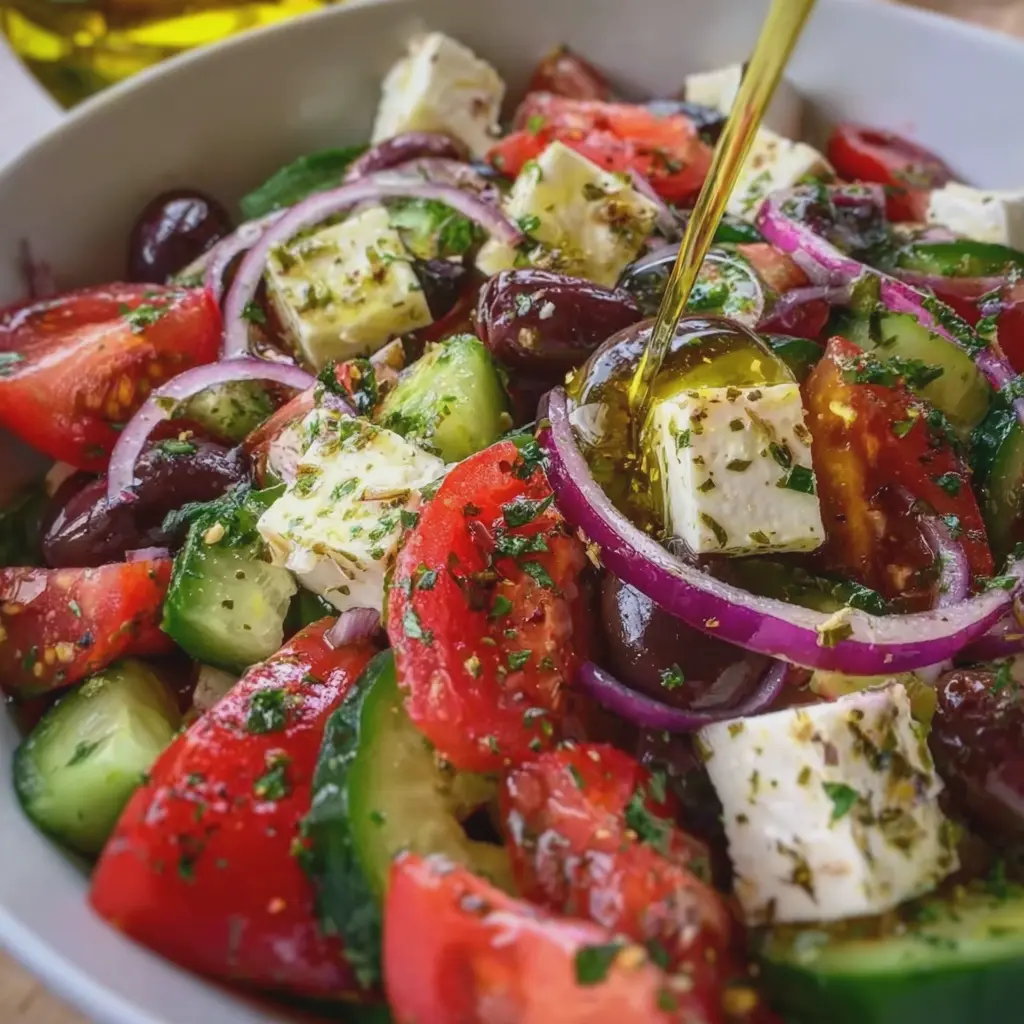
Variations on Traditional Greek Salad
Incorporating Grains for a Heartier Dish
If you're looking to elevate your traditional Greek salad, consider incorporating grains like quinoa or bulgur. Adding grains not only enhances the salad's nutritional profile but also provides a satisfying texture. Quinoa, with its nutty flavor and protein-packed benefits, can be cooked and tossed in with the fresh vegetables. Bulgur, on the other hand, is a quick-cooking option that adds a chewy element, making your salad both filling and nutritious.
- Health Benefits: Quinoa is gluten-free and rich in fiber, while bulgur is incredibly low in calories yet high in nutrients.
- Preparation Tip: Cook the grains ahead of time and let them cool before mixing them into your salad. This keeps the vegetables crisp and fresh.
For more insight into the nutritional benefits of whole grains, you can check out resources from the Whole Grains Council.
Adding Protein Options: Grilled Chicken or Chickpeas
If you're ready to turn your traditional Greek salad into a complete meal, adding a protein source is an excellent way to go. Grilled chicken is a fantastic option that complements the salad's bright and tangy flavors. Simply marinate your chicken in lemon juice, olive oil, and herbs for an extra zesty twist.
On the other hand, for a vegetarian take, chickpeas can be a game changer. They're not only hearty but also packed with protein, making them an ideal choice for a filling meal.
- Serving Ideas: Top your salad with slices of grilled chicken or a generous scoop of chickpeas for added substance.
- Expert Tip: Roasting chickpeas can enhance their flavor and offer a delightful crunch!
By incorporating these variations, you can customize your traditional Greek salad to fit your taste and dietary needs, making it your own culinary masterpiece. For more protein-packed vegetarian recipes, explore options on sites like Minimalist Baker or Bon Appétit.
Cooking Tips and Notes for Traditional Greek Salad
Selecting the Freshest Ingredients
When preparing a Traditional Greek Salad, the quality of your ingredients can make all the difference. Aim for the freshest produce you can find—think bright red tomatoes, crisp cucumbers, and fragrant bell peppers. Local farmers' markets are usually the best places to score. Also, make sure your olives are high-quality and your feta cheese is crumbly and rich. Fresh ingredients not only enhance flavor but also add beautiful color to your dish.
Balancing Flavors with Proper Seasoning
Seasoning is key to achieving the perfect flavor profile in your Traditional Greek Salad. Start with a generous sprinkle of sea salt, which brings out the natural sweetness of the veggies. A drizzle of extra virgin olive oil and a splash of lemon juice will brighten the entire dish. Don't shy away from mixing in some oregano; it’s a classic element that ties all the flavors together. Remember, tasting as you go is crucial!
For extra depth, consider adding capers or a dash of black pepper, but be mindful not to overpower the salad with too many competing flavors.
For more insights on ingredient selection and preparation tips, check out resources like Fine Cooking or Eating Well for additional inspiration!
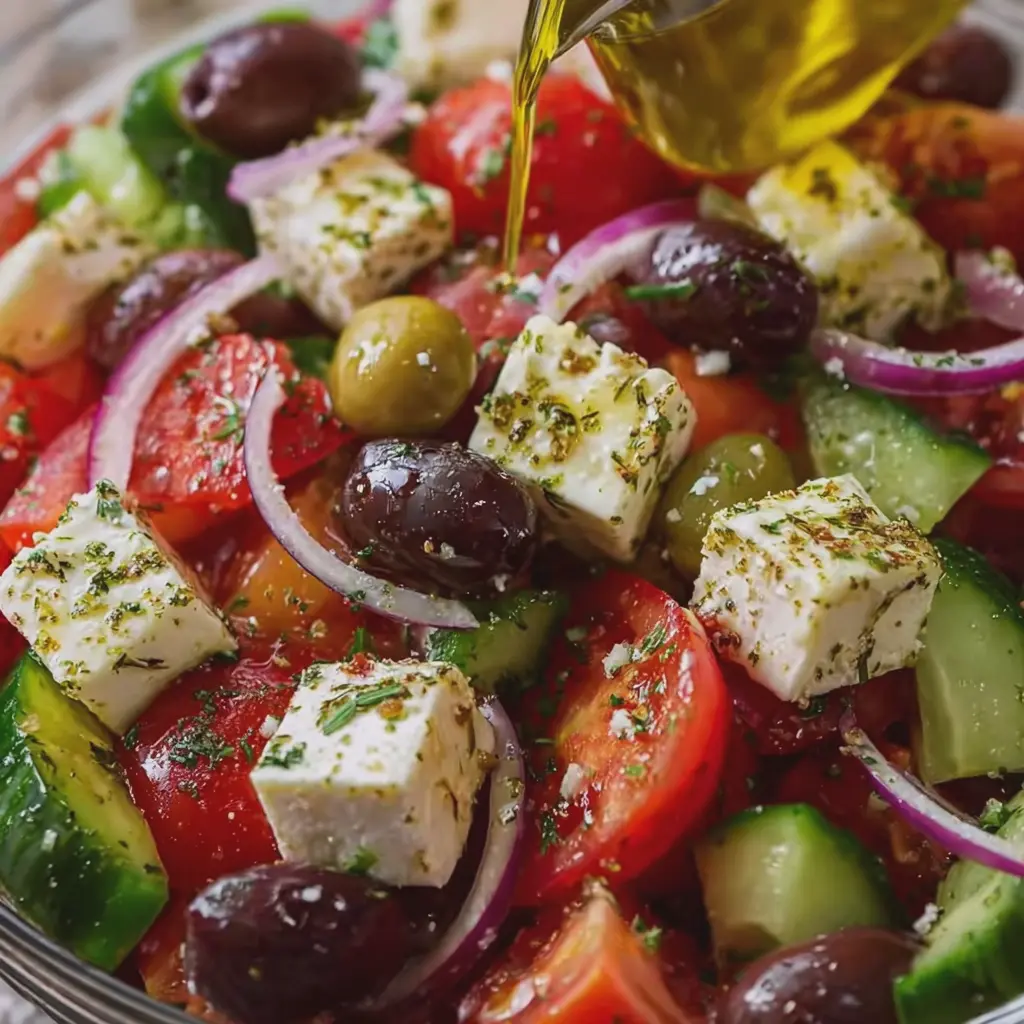
Serving suggestions for Traditional Greek Salad
Pairing with meats and Mediterranean dishes
When it comes to enhancing your Traditional Greek Salad, think about pairing it with various meats and Mediterranean dishes. Picture succulent grilled chicken or tender beef skewers alongside the salad for a delightful contrast. The freshness of the tomatoes, cucumbers, and olives in the salad complements the savory notes of meat beautifully.
For a lighter touch, try serving your salad with Turkey Bacon or Chicken Ham. They add a smoky flavor without overpowering the salad's freshness. If you're also keen on vegetarian options, consider falafel or stuffed grape leaves for a hearty yet complementary experience. Check out Mediterranean Diet resources for more meal pairing ideas.
Serving it as a light meal or side dish
The beauty of Traditional Greek Salad lies in its versatility. You can serve it as a light meal on a warm afternoon or as a vibrant side dish for gatherings. Drizzle a little extra virgin olive oil and squeeze some lemon juice right before serving to elevate the flavors.
Whether it’s a busy weekday lunch or a festive dinner with friends, this salad is sure to impress and satisfy. The colorful presentation alone adds a welcoming touch to any table setting, making it an ideal choice for both casual and formal occasions. So, gather your ingredients, and enjoy this refreshing classic!
Time Breakdown for Traditional Greek Salad
Preparation Time
Making a Traditional Greek Salad is quick and easy, taking only about 15 minutes to prepare. This includes washing and chopping fresh vegetables like tomatoes, cucumbers, and bell peppers, which are the heart of this delicious dish. It’s a great option for those busy weeknights when you crave a healthy meal but don't want to spend hours in the kitchen.
Total Time
In total, you're looking at around 15 minutes from start to finish! That’s right—just a few minutes and you'll have a vibrant, refreshing salad ready to serve. Perfect for a light lunch or a side dish at dinner, this salad is not only easy to make but also packed with nutrients. Dive into the Mediterranean lifestyle with this delightful dish! If you're curious about the health benefits of such fresh ingredients, check out this resource from Healthline for more insight.
Nutritional Facts for Traditional Greek Salad
Calories per serving
A serving of Traditional Greek Salad typically contains around 200 to 250 calories. This makes it a light and refreshing option, perfect for lunch or a side dish. The combination of fresh vegetables and healthy fats provides nourishment without weighing you down.
Health benefits of key ingredients
The Traditional Greek Salad includes ingredients that not only tantalize your taste buds but also offer an array of health benefits:
- Tomatoes: Rich in lycopene and vitamin C, tomatoes can help boost your heart health and skin.
- Cucumbers: Hydrating and low in calories, they provide essential vitamins while promoting digestion.
- Feta Cheese: Packed with calcium and protein, feta supports bone health and adds a tangy flavor.
- Olive Oil: Known for its healthy monounsaturated fats, olive oil can benefit your heart and reduce inflammation. For more on olive oil, check out this health article on olive oil benefits.
Whether you’re preparing lunch for yourself or hosting friends, incorporating a Traditional Greek Salad guarantees a flavorful and healthy meal. Don't underestimate the power of fresh ingredients — they might just brighten your day!
FAQ about Traditional Greek Salad
Can I make this salad in advance?
Absolutely! A Traditional Greek Salad can be prepped ahead of time, making it a perfect choice for gatherings or busy weeknights. However, to maintain optimal freshness, consider the following tips:
- Prepare ingredients separately: Chop cucumbers, tomatoes, and onions and store them in airtight containers in the fridge.
- Dress just before serving: If possible, hold off on adding the dressing until you’re ready to eat. This helps keep the vegetables crisp and vibrant.
If you want to prepare everything in advance, just know that the salad will become a bit softer as it mingles, but those flavors will still be delicious.
What substitutions can I make for the dressing?
The dressing is essential in a Traditional Greek Salad, but you can definitely switch it up while staying true to its Mediterranean roots. Here are some tasty alternatives:
- Lemon juice: Use fresh lemon juice instead of vinegar for a zesty twist.
- Herbs: Try adding fresh herbs like dill or basil for extra flavor.
- Olive oil alternatives: If olive oil isn’t available, avocado oil is a great substitute that still provides a rich taste.
Feel free to experiment and see what works best for your palate!
Is there a vegan option for this salad?
Yes, a Traditional Greek Salad can easily be made vegan! Simply omit the feta cheese or substitute it with a crumbled tofu or a store-bought vegan cheese alternative. You can enhance flavors by adding extra olives or capers.
For more in-depth guidance on vegan options, check out resources like The Vegan Society or the American Vegan Society. They offer a wealth of ideas for making classic dishes plant-based.
By keeping these tips in mind, you can enjoy a delightful and customizable Traditional Greek Salad that suits your needs while still being healthy and delicious!
Conclusion on Traditional Greek Salad
Embracing homemade meals for a healthier lifestyle
Opting for a Traditional Greek Salad is not just about enjoying a delicious dish; it’s a commitment to nurturing your body with fresh ingredients. When you prepare meals at home, you have control over what goes into your food. This means using high-quality vegetables, healthy fats like olive oil, and, if you choose, protein from sources like Turkey Bacon or Chicken Ham.
Eating well at home can be a game changer for your health. According to the CDC, cooking at home can lead to better dietary choices overall. So why not treat yourself and your friends to a vibrant and satisfying Greek Salad? Plus, making it can be a fun, social event! Explore more about the benefits of home cooking on Harvard Health. Enjoy nourishing both your body and your soul!
PrintTraditional Greek Salad: A Refreshing Twist with Turkey Bacon
A delightful and unique take on the classic Greek salad featuring turkey bacon for a savory twist.
- Prep Time: 15 minutes
- Cook Time: 10 minutes
- Total Time: 25 minutes
- Yield: 4 servings
- Category: Salad
- Method: Mixing
- Cuisine: Greek
- Diet: Low Carb
Ingredients
- 2 cups chopped romaine lettuce
- 1 cup diced tomatoes
- 1 cup cucumber, diced
- ½ cup red onion, thinly sliced
- ½ cup Kalamata olives
- ½ cup feta cheese, crumbled
- 4 strips turkey bacon, cooked and crumbled
- 3 tablespoons olive oil
- 1 tablespoon red wine vinegar
- 1 teaspoon dried oregano
- Salt and Pepper to taste
Instructions
- In a large bowl, combine the romaine lettuce, tomatoes, cucumber, red onion, Kalamata olives, and feta cheese.
- In a small bowl, whisk together the olive oil, red wine vinegar, oregano, salt, and pepper.
- Pour the dressing over the salad and toss gently to combine.
- Top with the crumbled turkey bacon before serving.
Notes
- For added crunch, consider adding some bell peppers.
- This salad pairs well with grilled chicken for a heartier meal.




Leave a Reply