
Introduction to Vegetable Soup
The appeal of homemade vegetable soup
When it comes to comfort food, few dishes can match the warm embrace of a homemade vegetable soup. This hearty meal not only warms your soul but also nourishes your body. Imagine a rich broth brimming with colorful vegetables, herbs, and grains—such a vibrant dish can turn a gloomy day into a sunny one.
Homemade vegetable soup is incredibly versatile, allowing you to use whatever vegetables are in season or lingering in your refrigerator. Plus, making your own soup means you control the ingredients, making it possible to cater to your dietary needs and flavor preferences. Interested in eating healthier? A study by the USDA found that home-cooked meals tend to be more nutritious than processed alternatives, packed with vitamins and lower in sodium. Not to mention, the charming aromas that fill your kitchen as the soup simmers can turn your house into a haven that welcomes guests with open arms.
Why young professionals are turning to homemade meals
In today’s fast-paced world, young professionals find themselves balancing work, social lives, and personal wellness. As a result, many are seeking the simplicity and satisfaction of cooking at home. Homemade meals, particularly vegetable soup, offer a great solution.
Here are a few reasons why this trend is on the rise:
- Time efficiency: Soup can be prepared in bulk and stored for busy weeknights, making it a time-saver. You can meal prep on weekends and have healthy options ready throughout the week.
- Cost-effective: Eating out can add up quickly. Preparing your own vegetable soup at home often costs significantly less—especially when you buy in-season produce or frozen veggies.
- Mindful eating: Engaging in cooking can foster a more conscious relationship with food. Preparing meals at home encourages you to choose fresh ingredients over processed options, which is essential for overall health and well-being.
So grab your apron and let’s dive into the world of making delicious homemade vegetable soup. Not only will you be celebrating the art of cooking, but you’ll also be investing in your health, wallet, and happiness. If you want to explore more about the benefits of home-cooked meals, you can check resources like Harvard Health for enlightening insights.
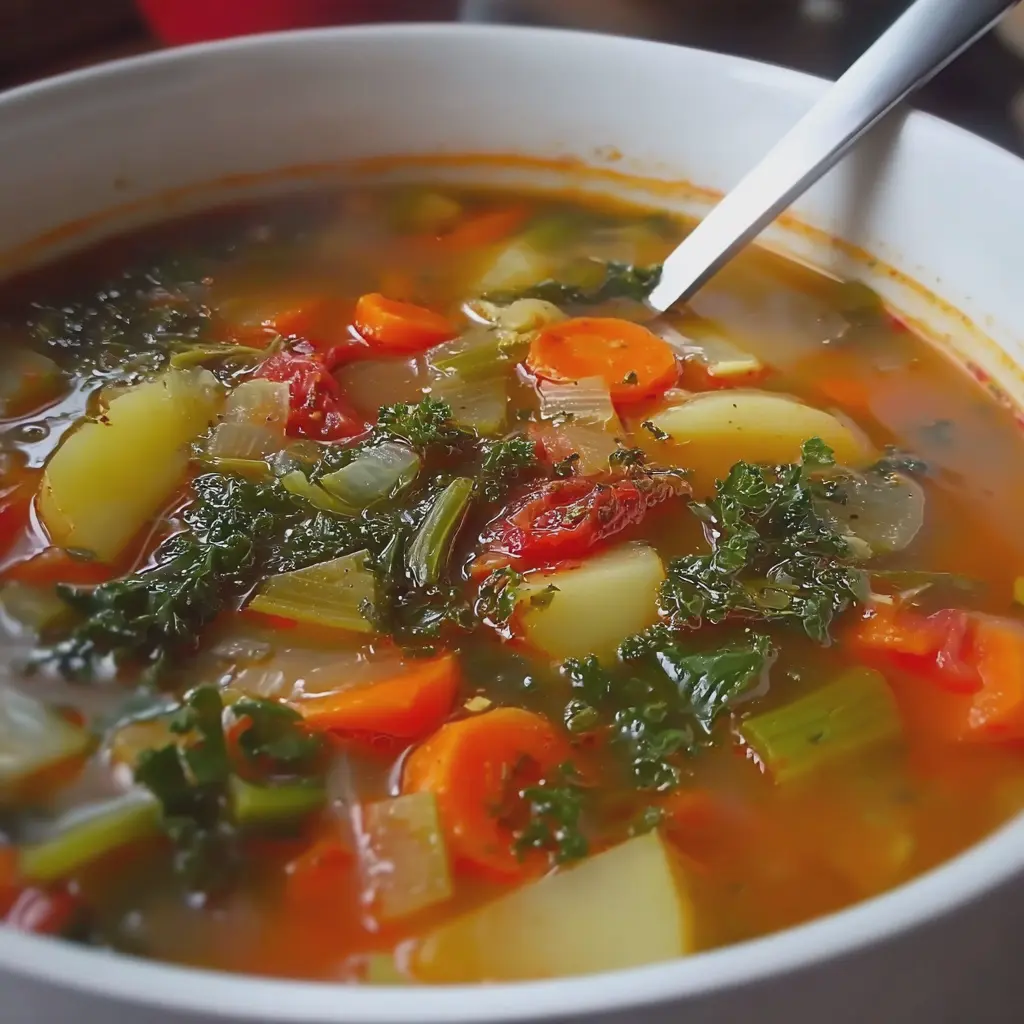
Ingredients for Vegetable Soup
Essential ingredients for a delicious soup
Creating a warm, nourishing vegetable soup starts with a solid foundation of fresh ingredients. Here’s a list of essentials you’ll want to include:
- Vegetables: Carrots, celery, onions, and garlic are your reliable staples. They provide a savory base that elevates the flavor.
- Broth: Opt for vegetable broth or chicken broth for richness. Homemade options are incredibly easy and pack a flavor punch.
- Leafy Greens: Spinach or kale can help add nutrients. They wilt down nicely and add vibrant color.
- Herbs and Spices: Think bay leaves, thyme, and a pinch of black pepper for depth.
Optional add-ins for personalization
Once you have the essentials, it's time to make your soup uniquely yours! Consider the following add-ins:
- Proteins: Add Turkey bacon or chicken ham for a meaty bite that enhances heartiness.
- Grains: Quinoa or barley can provide extra texture and make your soup more filling.
- Other Vegetables: Don’t hesitate to throw in zucchini, green beans, or corn to play with flavors.
Mix and match according to your taste preferences—your vegetable soup can be crafted to suit any palate! For more inspiration on creative ingredient options, check out these healthy eating resources. Happy cooking!
Preparing Vegetable Soup
Creating a hearty and nutritious vegetable soup is more than just following a recipe—it's a celebration of fresh ingredients and flavors. Whether you're a seasoned cook or just dabbling in the kitchen, you can whip up a batch that will impress your friends and family. Let's walk through the process step by step.
Gather and Prep All Ingredients
Before diving into cooking, gather your ingredients to streamline the process. Here’s a basic list to get you started:
- Fresh vegetables: carrots, celery, bell peppers, and onions are great base options.
- Greens: spinach or kale add nutrition and flavor.
- Tomatoes: canned or fresh, both work well.
- Broth: vegetable, chicken, or beef broth will enhance the flavor.
- Seasonings: bay leaves, thyme, salt, and pepper are essential.
- Optional protein: turkey bacon or chicken ham for an extra taste dimension.
Chop your vegetables into bite-sized pieces for even cooking. Don't forget to wash everything thoroughly! This little prep step makes all the difference in texture and taste.
Sauté the Base Ingredients
In a large pot, heat a splash of olive oil over medium heat. This is where the magic begins! Add your chopped onions, celery, and carrots—these are the aromatic trio that build the flavor foundation of your vegetable soup. Stir them occasionally for about 5-7 minutes until they soften and become fragrant. The cooking onions release their natural sugars, which sweetens the broth beautifully.
Add Seasonings and Garlic
Now, it's time to spice things up! Add minced garlic (around 2-3 cloves) to the mix along with your chosen seasonings: a couple of bay leaves and a teaspoon each of thyme, salt, and pepper should do the trick. Garlic is fantastic for heart health, and it adds an inviting aroma. Stir everything together for another minute until the garlic is fragrant—this is the moment your kitchen will start smelling divine!
Incorporate Tomatoes and Broth
Next, take your chopped tomatoes and add them to the pot, mixing with the sautéed ingredients. If using canned tomatoes, make sure to pour in the juice as well for that extra flavor kick. Then, pour in your chosen broth—about 4 to 6 cups should suffice. The broth brings everything together, creating a comforting and nourishing base. Allow those ingredients to mingle for a few minutes before moving to the next stage.
Simmer for Optimal Flavor
Turn the heat up until the mixture starts to boil, then reduce to a gentle simmer. Cover the pot and let it bubble away for about 20-30 minutes. This magic simmering time allows all the flavors to deepen and unite—the true joy of homemade vegetable soup. Feel free to taste and adjust seasonings as you go; after all, this soup is yours!
Add Greens and Finish with Lemon Juice
Once your soup is thick and aromatic, it’s time to add the greens. Toss in a handful of fresh spinach or kale, stirring until wilted. As a finishing touch, squeeze in the juice of half a lemon to elevate the flavors with a bit of brightness. This is an essential step; the acidity can truly transform your dish!
And there you have it! A delicious, heartwarming vegetable soup ready to be served. Pair it with some crusty bread or a light salad for a perfect meal. Experiment with different vegetables or spices as per your preference—this recipe is as flexible as it is forgiving.
So, are you ready to dive into the world of homemade soups? Grab your ingredients, and let’s get cooking! For more tips, check out expert opinions on seasonal vegetables here or explore broccoli's incredible health benefits here. Happy cooking!
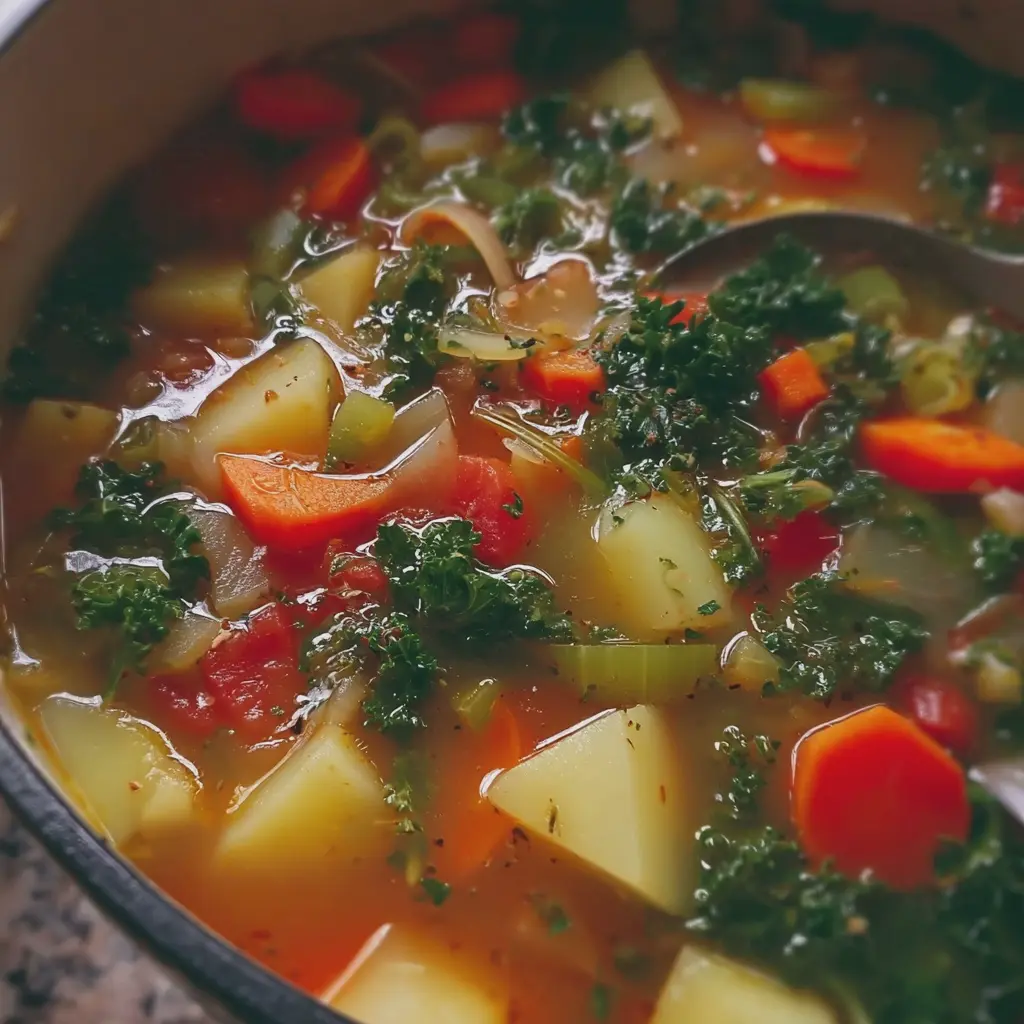
Variations on Vegetable Soup
There’s something so comforting about a warm bowl of vegetable soup. But why limit yourself to just the classic recipe? Let’s explore some delicious variations that can cater to different tastes, making your soup experience even more delightful!
Hearty Bean and Vegetable Soup
For those chilly nights when you need something extra filling, try a hearty bean and vegetable soup. Combining your favorite legumes, like cannellini or black beans, with seasonal vegetables not only boosts the nutritional value but also adds depth to the flavor. Toss in spices like cumin and paprika for an extra kick. You can follow a guideline from resources like the American Heart Association to ensure a heart-healthy meal packed with fiber and protein.
Spicy Vegetable Soup with a Kick
If you’re someone who enjoys a little heat, a spicy vegetable soup is the way to go! Begin with a base of crushed tomatoes and vegetable broth, and then spice it up with jalapeños or red pepper flakes. Add in some corn and zucchini for sweetness, balancing the heat perfectly. Squeeze in fresh lime juice just before serving to enhance the flavors. This recipe not only satisfies but also warms you from the inside out.
Creamy Vegetable Soup for a Comforting Twist
Craving something rich and indulgent? A creamy vegetable soup can be your go-to comfort dish. Blend your cooked vegetables with a splash of vegetable broth and a touch of coconut milk or plant-based cream for a luscious finish. Don’t forget to season well with thyme and bay leaves for that homecooked essence. Pair this soul-soothing soup with crusty bread for a meal that feels like a warm hug.
Each of these variations offers a unique twist to the standard vegetable soup, encouraging culinary exploration while remaining deliciously comforting. So which one will you try first?
Cooking tips and notes for Vegetable Soup
Importance of fresh ingredients
When it comes to making a delicious vegetable soup, the quality of your ingredients can make all the difference. Fresh, seasonal vegetables not only enhance the flavor but also boost the nutritional profile of your soup. Think about incorporating a mix of colorful veggies like carrots, bell peppers, and leafy greens. For tips on selecting the best produce, check out this guide. If you can't find fresh, frozen options can work wonders too, retaining a lot of their flavor and nutrients.
Timing for optimal veggie tenderness
Timing is everything! To achieve perfectly tender yet vibrant vegetables, consider adding hardier ingredients like carrots and potatoes first, as they take longer to cook. Softer veggies, such as zucchini and spinach, should go in later. This way, each ingredient contributes its unique texture and flavor. Remember, no one likes a mushy soup!
By paying attention to these details, your vegetable soup will not only taste great but also look irresistible. Happy cooking!
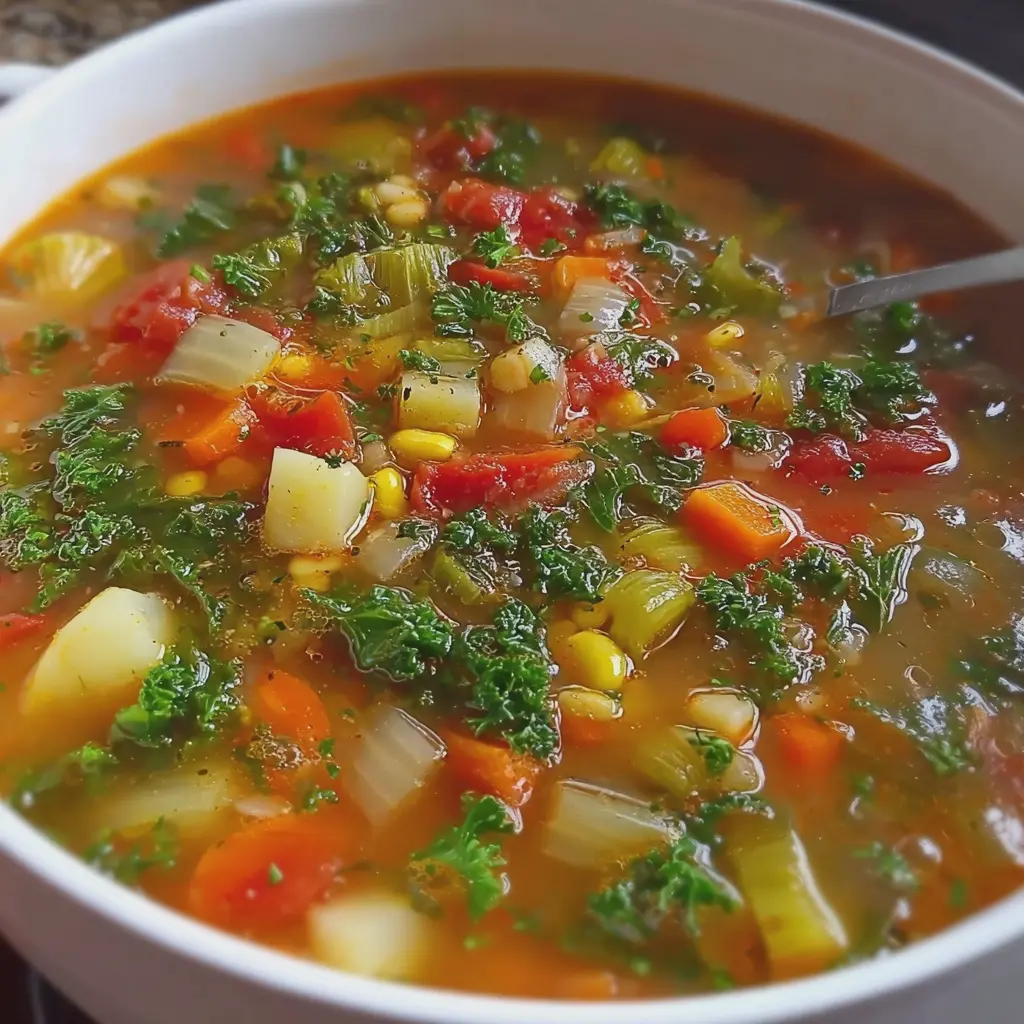
Serving Suggestions for Vegetable Soup
When you’ve crafted a delicious bowl of vegetable soup, there are countless ways to elevate the experience. Let’s explore some ideal pairings and creative serving ideas that will make your meal truly special.
Perfect Pairings with Bread or Crackers
Nothing complements a steaming bowl of vegetable soup like a fresh side of bread or crunchy crackers. Consider trying:
- Crusty Sourdough: Its tangy flavor and chewy texture create a perfect balance with the soup’s heartiness.
- Garlic Bread: The buttery, garlicky goodness can add a nice twist to your dining experience.
- Whole Grain Crackers: These are not only healthy but also provide a delightful crunch that contrasts beautifully with the soft vegetables.
Unique Serving Ideas
Want to get a little creative? Here are some exciting ways to serve your vegetable soup:
- Top with Turkey Bacon Crumbles: A sprinkle of crispy turkey bacon can add depth and richness—plus, who doesn’t love that smoky flavor?
- Garnish with Fresh Herbs: A handful of parsley or basil can brighten the dish and add a fresh touch.
- Serve in a Bread Bowl: For a fun twist, hollow out a small loaf of bread and ladle in your soup. You get to eat the bowl too!
Try these suggestions for a memorable dining experience that maintains the warmth and comfort of homemade vegetable soup. Looking for more ideas? Check out EatingWell for inspiration!
Time Breakdown for Vegetable Soup
Preparation Time
Preparing your vegetable soup is a breeze! Set aside about 15 minutes to wash, chop, and dice your fresh vegetables. This is a great opportunity to practice your knife skills or even listen to some music—cooking should be fun, right?
Cooking Time
Once everything is prepped, cooking your vegetable soup takes around 30-40 minutes. Simmering those vibrant veggies allows their flavors to meld beautifully. The aroma will fill your kitchen, making it hard to wait!
Total Time
In total, you’re looking at about 45-55 minutes from start to finish. This is perfect for a busy weeknight meal that’s healthy and satisfying!
For more cooking tips, check out resources like EatingWell or Food Network to develop your culinary skills even further!
Nutritional Facts for Vegetable Soup
Calories per serving
A comforting bowl of vegetable soup typically clocks in at around 70-150 calories per serving, depending on the ingredients you choose. This makes it an excellent option for anyone looking to enjoy a fulfilling meal without the guilt.
Vitamins and nutrients
Packed with an array of vitamins and nutrients, vegetable soup is a powerhouse of health. Here’s what you can expect:
- Vitamin A: Great for vision and immune function, thanks to the carrots and leafy greens.
- Vitamin C: Found in tomatoes and bell peppers, this vitamin is crucial for skin health and fighting off infections.
- Fiber: The assorted vegetables provide a solid dose of dietary fiber, promoting digestive health.
For a deeper dive into nutrients in your favorite veggies, check out this helpful guide on Nutritional Requirements.
Health benefits of vegetable soup
The benefits of vegetable soup extend beyond just satisfying your hunger. Regularly enjoying this dish may contribute to:
- Weight management: Lower in calories, you can enjoy larger portions without worrying about overindulging.
- Hydration: The broth acts as a hydration booster, which is especially important in colder months.
- Antioxidant properties: Most veggies offer powerful antioxidants that help combat oxidative stress in the body, helping you feel your best.
Incorporating vegetable soup into your diet can be a delicious step toward a healthier lifestyle! Have you made your own version yet?
FAQ about Vegetable Soup
How long does vegetable soup last in the fridge?
Once you've savored a delicious pot of vegetable soup, you might wonder about its shelf life. Generally, homemade vegetable soup can last up to 3-5 days in the fridge. Make sure to store it in an airtight container to keep it fresh. If you're like me and love batch cooking, consider labeling your soup containers with dates to avoid any mystery meals lurking in the back of your fridge!
Can I freeze vegetable soup?
Absolutely! Freezing vegetable soup is a fantastic way to preserve its flavors for later. Just let the soup cool completely before transferring it to freezer-safe containers. It can last up to 3 months in the freezer. When you're ready to enjoy it again, simply thaw it overnight in the fridge, then reheat on the stove or in the microwave. For tips on proper freezing techniques, check out resources from FoodSafety.gov.
What can I substitute for broth in vegetable soup?
Sometimes a simple vegetable broth might not be on hand. No worries! You can still whip up a delicious vegetable soup by using different substitutes. Consider options like:
- Water with seasonings: Simply add salt, pepper, garlic powder, or herbs like thyme and rosemary.
- Vegetable juice: Tomato juice or even a splash of V8 can add an exciting flavor twist.
- Cooking liquid from other veggies: If you've boiled potatoes or other vegetables, that liquid can work too.
Feeling adventurous? You can even add turkey bacon or chicken ham to give it that extra depth. Who says soup needs to follow the rules? Enjoy the process and make it your own!
Conclusion on Vegetable Soup
Recap of the Benefits of Making Homemade Soup
Making homemade vegetable soup offers a delightful way to nourish your body and mind. You control the ingredients, ensuring a rich blend of flavors, nutrients, and freshness that store-bought options simply can't match. Plus, preparing a wholesome soup is an excellent stress-reliever; the chopping, stirring, and simmering processes can be quite meditative. Research indicates that cooking at home can lead to healthier eating habits, so why not invest in your wellness with a warm bowl of homemade goodness?
Enjoy the Freedom to Create Your Own Variations
Now that you’ve explored the world of vegetable soup, why not experiment with your own variations? Add in your favorite vegetables, like spinach or zucchini, or even a hint of lemon juice for brightness. The possibilities are endless! Consider experimenting with spices like cumin or turmeric to enhance flavor and nutrition. Feeling adventurous? Check out reputable food blogs or cookbooks for inspiration. Remember, every batch of vegetable soup can be a reflection of your unique taste and creativity. So grab that pot and start your culinary adventure today!
Print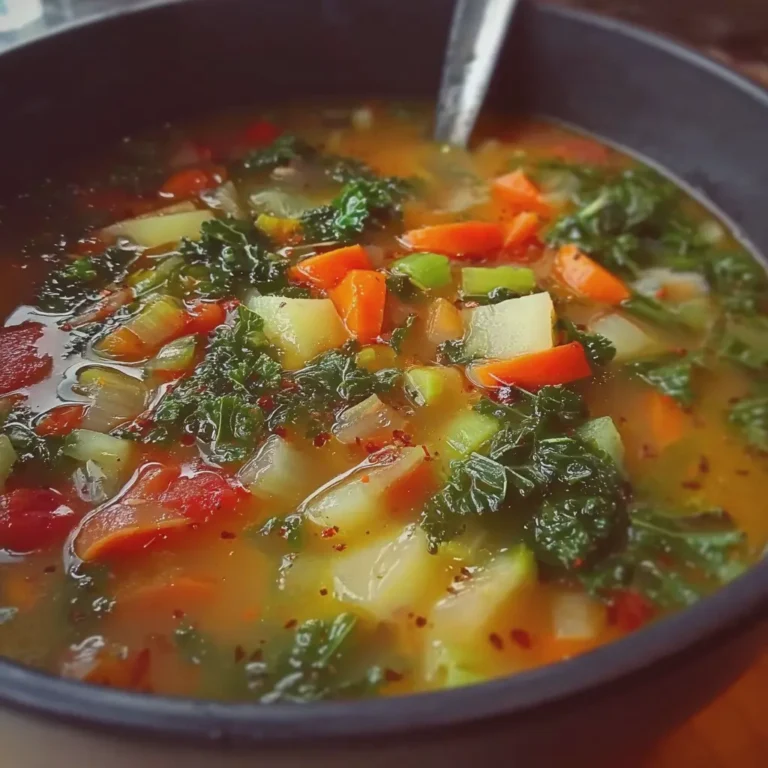
Vegetable Soup Delight: Easy Recipe for a Cozy Night In
Warm up with this delightful vegetable soup recipe, perfect for a cozy night in.
- Total Time: 40 minutes
- Yield: 4 servings
Ingredients
- 2 tablespoons olive oil
- 1 onion, chopped
- 2 garlic cloves, minced
- 3 cups mixed vegetables (carrots, celery, bell peppers)
- 1 can (15 oz) diced tomatoes
- 4 cups vegetable broth
- 1 teaspoon dried thyme
- 1 teaspoon dried basil
- Salt and pepper to taste
Instructions
- Heat olive oil in a large pot over medium heat.
- Add onions and garlic, sauté until onions are translucent.
- Add mixed vegetables and cook for an additional 5 minutes.
- Stir in diced tomatoes, vegetable broth, thyme, and basil.
- Bring to a boil, then reduce heat and simmer for 20 minutes.
- Season with salt and pepper to taste before serving.
Notes
- This soup can be customized with any vegetables you have on hand.
- For a creamier soup, blend a portion of it after cooking.
- Prep Time: 10 minutes
- Cook Time: 30 minutes
- Category: Soup
- Method: Stovetop
- Cuisine: American
- Diet: Vegetarian




Leave a Reply