
Introduction to Homemade Butterscotch Pudding
When it comes to comfort food, homemade butterscotch pudding is a timeless classic that deserves a prominent place in your kitchen. There’s something undeniably satisfying about crafting a creamy dessert from scratch, and butterscotch pudding hits all the right notes: it’s rich, smooth, and lusciously sweet. Unlike its store-bought counterparts, which often contain artificial flavors and preservatives, making your own version allows you to control the ingredients and truly tailor it to your taste.
Why Homemade Butterscotch Pudding Deserves a Place in Your Kitchen
So, why should you roll up your sleeves and try making this delightful treat at home? First and foremost, the flavor. Freshly made butterscotch has a depth that’s hard to find in pre-packaged puddings. The combination of brown sugar, cream, and butter creates a dance of flavors that’s both nostalgic and comforting. And let's be honest; who doesn't enjoy indulging in a dessert that brings back fond memories from childhood? If you’re interested in the science behind butterscotch, this comprehensive article from the American Institute of Physics offers fascinating insights.
Additionally, homemade pudding can be a fun activity to share with friends or family. Whether it’s a rainy day project with your kids or a fancy dinner party finish, the process of stirring, simmering, and watching your pudding come to life can be delightful. Plus, there’s an undeniable joy in presenting your loved ones with a dish made by your own hands.
Don't let the thought of making homemade butterscotch pudding intimidate you; it’s easier than you might think! With just a handful of ingredients and some simple techniques, you’ll have a decadent dessert ready to impress. And while you’re at it, why not pair it with some fresh whipped cream or a sprinkle of sea salt for that perfect contrast of flavors?
In the following sections, we’ll guide you step-by-step through the process to ensure your pudding turns out perfectly every time. So grab your whisk and let’s get started on this delicious culinary adventure!
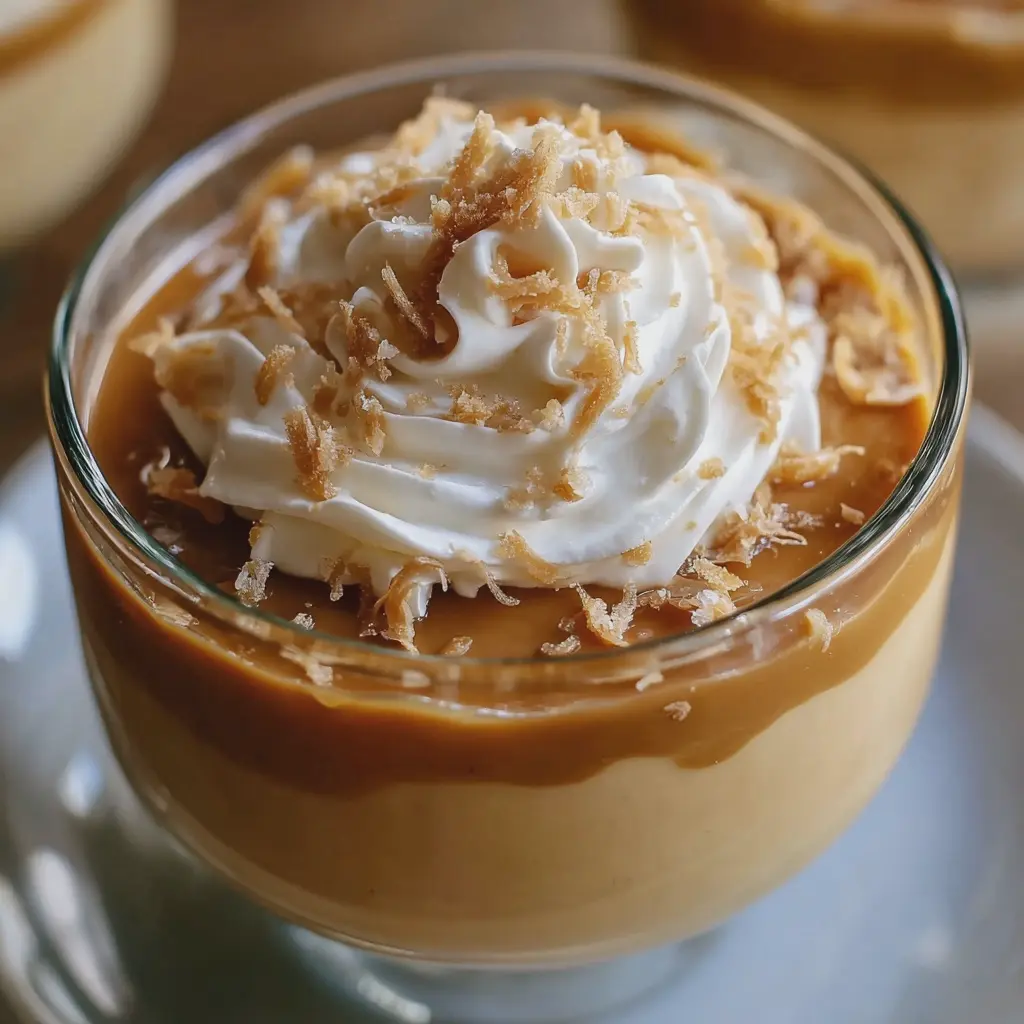
Ingredients for Homemade Butterscotch Pudding
Essential ingredients for a creamy delight
Creating the perfect homemade butterscotch pudding is all about using the right ingredients to achieve that rich, velvety texture. Here’s what you’ll need:
- Brown Sugar: This is the star ingredient, lending that signature butterscotch flavor.
- Unsalted Butter: For creaminess and to enhance the flavors, go for quality butter.
- Milk and Heavy Cream: Using a mix of both will ensure your pudding is luxuriously smooth.
- Cornstarch: This is your thickening agent, helping to turn your mixture into a delicious pudding.
- Egg Yolks: They add richness and an eggy depth that complements the sweetness.
- Vanilla Extract: A splash of vanilla brings out the butterscotch aroma beautifully.
With these key ingredients in hand, you’re well on your way to creating a delightful homemade butterscotch pudding. If you're hunting for more tips on pudding perfection, check out Serious Eats. And don’t forget, this pudding is endlessly versatile—feel free to experiment by adding a pinch of sea salt for an intriguing flavor twist!
Step-by-Step Preparation of Homemade Butterscotch Pudding
Creating a delicious homemade butterscotch pudding is not just about satisfying your sweet tooth; it's also about engaging in a bit of kitchen magic. Follow these straightforward steps, and you'll have a creamy, dreamy dessert that makes any occasion feel special.
Gather Your Ingredients
Before you start cooking, it’s important to gather everything you need. Ensuring that you have the right ingredients makes the process smoother and more enjoyable. For this homemade butterscotch pudding, you’ll need the following:
- 1 cup packed brown sugar
- ¼ cup cornstarch
- ¼ teaspoon salt
- 2½ cups whole milk
- ¼ cup unsalted butter
- 2 teaspoons vanilla extract
- A pinch of sea salt (optional, for garnish)
This combination brings together rich flavors that create a delightful dessert. For tips on ingredient substitutions, such as using plant-based milk for lactose-free variations, check out this resource.
Blend the Dry Ingredients
Now, let’s get a bit hands-on. Take a medium saucepan and combine your dry ingredients: brown sugar, cornstarch, and salt.
- Whisk them together until evenly mixed. This is key; you want to avoid any lumps that could affect the pudding's silky texture.
- Traditionally, butterscotch pudding is all about that rich, buttery flavor, so using dark brown sugar can enhance the taste.
Here's a little tip: If you're wondering why cornstarch is a crucial component, it serves as a thickening agent. This means you can enjoy a pudding that's as creamy as it is flavorful.
Combine Wet Ingredients
Next up, it's time to mix in the wet ingredients. In a separate bowl, gradually add your milk to the dry ingredients while continuously stirring.
- This slow mixing helps to prevent lumps, ensuring a smooth pudding mixture.
- Make sure the milk is at room temperature for the best results. If you want to add a personal touch, infuse some flavor with a bit of cinnamon or nutmeg.
Once well combined, stir in the butter and vanilla extract, allowing the buttery aroma to fill your kitchen.
Cook the Mixture
Now we're entering the exciting part!
- Place your saucepan over medium heat. Stir the mixture continuously as it heats up.
- You’ll notice it start to thicken and bubble—this is where the magic happens.
Be patient and keep stirring to avoid sticking or burning the bottom. When the pudding starts to bubble, that's your cue to reduce the heat. Cook it for another minute; this ensures everything is combined and smooth. And remember, the pudding will continue to thicken slightly as it cools.
Finish and Cool the Pudding
Once cooked, remove your saucepan from the heat. It's time to finish off your homemade butterscotch pudding!
- Pour it into serving dishes—individual cups or a large bowl, whichever you prefer.
- To prevent a skin from forming, press a piece of plastic wrap directly onto the surface of the pudding.
Let it cool on the counter for about 30 minutes before transferring it to the refrigerator. It's best to chill it for at least two hours. When ready to serve, consider adding a sprinkle of sea salt for that extra gourmet touch.
Serving this homemade butterscotch pudding will surely impress your friends and family. Perfect for a dinner party or just a cozy night in, it’s a simple dessert with a rich flavor that warms the soul.
Enjoy the process, and don’t hesitate to experiment with different toppings like whipped cream or fresh fruit! Happy pudding making!
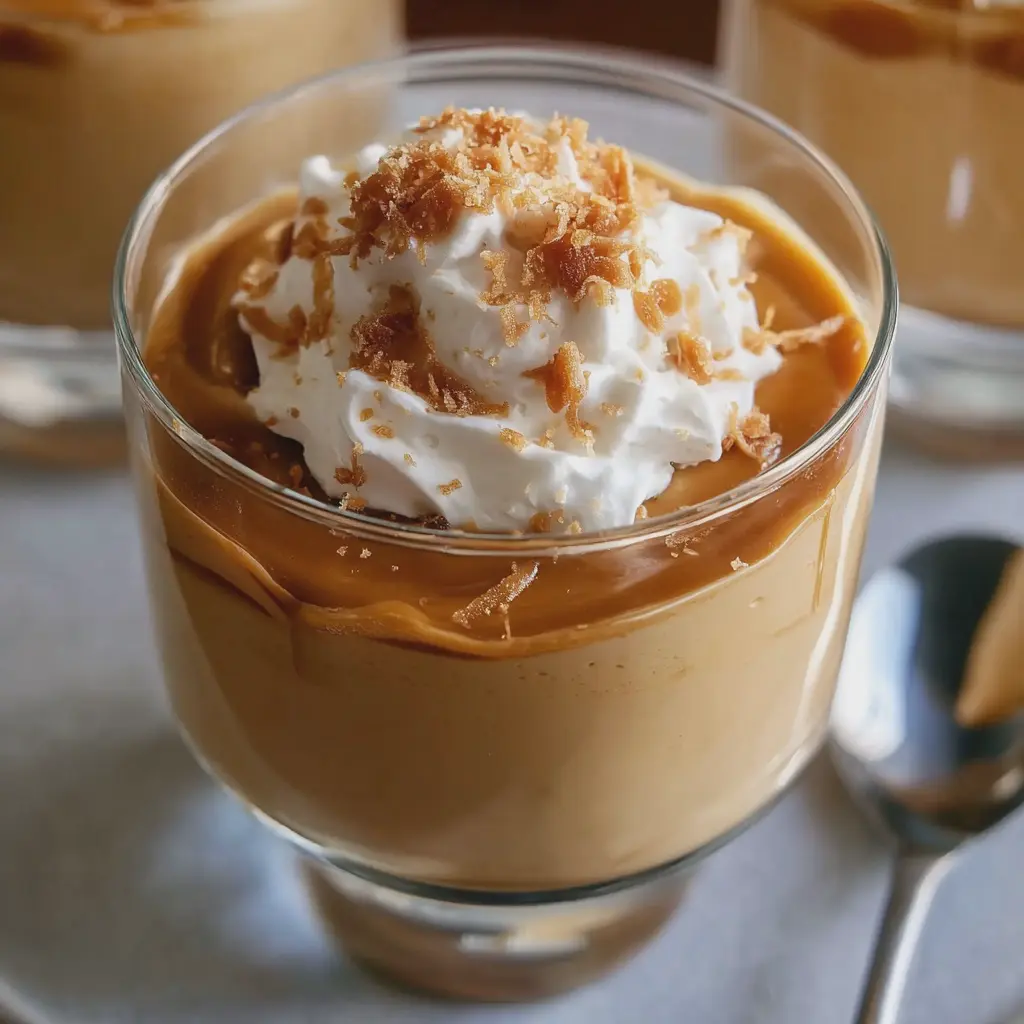
Variations on Homemade Butterscotch Pudding
Butterscotch Pudding with Chocolate Drizzle
If you’re looking to elevate your homemade butterscotch pudding, consider adding a decadent chocolate drizzle on top. This simple addition can transform your dish from delightful to divine. To make the drizzle, melt some dark chocolate and whisk in a splash of cream or milk for a silky consistency.
- How to do it:
- Melt 4 ounces of chocolate over a double boiler.
- Mix in 2 tablespoons of cream until smooth.
- Drizzle over your chilled pudding just before serving.
The contrast of rich chocolate with the buttery notes of butterscotch creates a flavor explosion that’s sure to impress!
Vegan Butterscotch Pudding Alternative
For those following a plant-based lifestyle, don’t worry—delicious homemade butterscotch pudding can still be on your dessert table! A creamy vegan version can easily be whipped up using coconut milk and a vegan butter substitute.
- Here’s how to do it:
- Replace regular milk with full-fat coconut milk for richness.
- Use maple syrup or agave nectar in place of brown sugar for a sweeter twist.
- A cornstarch-thickened base will keep it silky without any dairy.
This version is just as satisfying, and an added bonus? It’s friendly for lactose-intolerant guests!
For those interested in more vegan-friendly recipes, check out Minimalist Baker for inspiration.
Your kitchen adventures with butterscotch pudding will not only satiate your sweet cravings but also impress anyone lucky enough to share your treats.
Cooking Tips and Notes for Homemade Butterscotch Pudding
Common pitfalls to avoid
When making homemade butterscotch pudding, a few common missteps can throw off your creamy creation. First, be careful not to rush the sugar caramelization process. If your sugar burns, you’ll end up with a bitter taste that can ruin the dish. Also, watch your heat; cooking on too high a setting can lead to uneven thickening. Gradually adding the milk is crucial—this allows for smoother integration into the mixture.
Achieving the perfect consistency
To nail the perfect consistency for homemade butterscotch pudding, ensure that you continuously whisk as you combine the ingredients. This helps prevent lumps and clumping in your pudding. A good rule of thumb? Aim for a velvety texture that coats the back of a spoon. If your pudding isn’t thickening as expected, don't hesitate to let it reach a gentle boil; this can enhance that luscious quality. Remember, it will also continue to thicken as it cools, so patience is key!
For more tips, check out this helpful guide, which offers detailed advice from cooking experts.
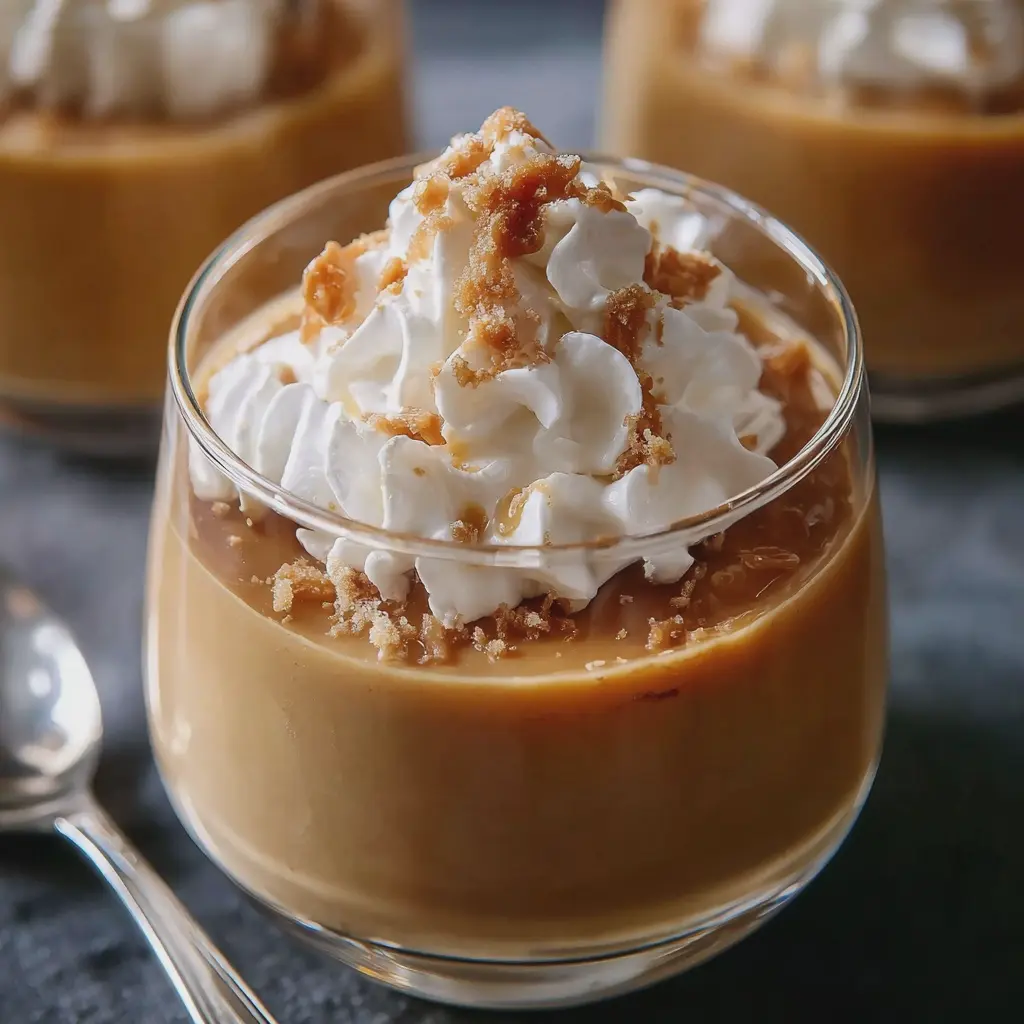
Serving Suggestions for Homemade Butterscotch Pudding
Creative garnishes to elevate your pudding
Transform your homemade butterscotch pudding into a visual and flavor masterpiece with a few creative garnishes. Here are some ideas to spark your imagination:
- Whipped Cream: A dollop of freshly whipped cream adds a delightful lightness.
- Chocolate Shavings: Sprinkle dark chocolate shavings on top for a rich contrast.
- Toasted Nuts: Almonds or pecans can provide a lovely crunch.
- Caramel Drizzle: Enhance the butterscotch flavor with a drizzle of caramel sauce.
- Fresh Fruits: Sliced bananas or berries can bring a fresh element to your dessert.
Pairing suggestions for a delightful meal
Looking to balance the richness of your homemade butterscotch pudding with the perfect meal? Consider these options:
- Salads: A citrus-rich salad can add brightness and cut the sweetness.
- Main Course: Pair with roasted chicken ham seasoned with herbs for a savory contrast.
- Light Beverages: Opt for herbal teas or sparkling water with lemon to cleanse the palate between bites.
Remember, the perfect pairing can elevate your dessert experience, so don't be afraid to experiment! For more ideas on savory pairings, check out sites like Food & Wine or Bon Appétit.
Time Breakdown for Homemade Butterscotch Pudding
Preparation Time
Getting started on your homemade butterscotch pudding will take about 10 to 15 minutes. Gather your ingredients: brown sugar, butter, heavy cream, and vanilla. Having everything ready speeds up your process and ensures you don’t leave anything out.
Cooking Time
The cooking phase is where the magic happens! You’ll spend around 15 to 20 minutes stirring and watching over the mixture on the stove. It’s a hands-on experience that rewards you with delightful aromas filling your kitchen.
Chilling Time
After cooking, let your delicious pudding chill in the refrigerator for at least 2 hours. This step allows it to set properly, enhancing the creamy texture and flavor. If you can resist, waiting overnight makes for an even richer taste!
By simply managing your time wisely, you’ll be that much closer to serving up luscious homemade butterscotch pudding to impress your friends and family. Wouldn’t they love a sweet treat like this? For more tips on pudding techniques, check out Serious Eats and Taste of Home!
Nutritional Facts for Homemade Butterscotch Pudding
When indulging in a bowl of homemade butterscotch pudding, it’s good to know what you’re consuming. Here's a quick breakdown of its nutritional stats to keep you informed.
Calories
A typical serving of homemade butterscotch pudding contains approximately 200 to 300 calories. This range can vary depending on your ingredient choices—like the type of milk or sugar you use.
Sugar Content
Expect about 20 to 30 grams of sugar per serving. While this sweet treat is rich in sugar, using natural sweeteners or reducing the amount can help you manage your sugar intake.
Protein
This delightful dessert offers around 4 to 6 grams of protein, mainly from the milk and eggs. If you’re looking to amp up the protein a bit, consider adding a dollop of whipped Greek yogurt on top.
For more insights on balanced eating, check out the USDA Nutrition Database for comprehensive food information! Remember, even desserts can fit into a well-rounded diet when enjoyed in moderation.
FAQs about Homemade Butterscotch Pudding
Can I use a different sweetener?
Absolutely! If you're looking to swap out traditional sugar in your homemade butterscotch pudding, consider natural alternatives like maple syrup or honey. These can add unique flavors while also offering health benefits. For a low-calorie option, stevia or erythritol can work in a pinch. Just remember that each sweetener has its own level of sweetness, so adjust to taste. You might need to experiment a bit, but that’s part of the culinary adventure!
How do I store leftover pudding?
Storing leftover homemade butterscotch pudding is quite simple. First, make sure the pudding has cooled completely. Then, cover it with plastic wrap, ensuring the wrap touches the surface of the pudding to prevent a skin from forming. You can also transfer it into airtight containers. Kept in the refrigerator, your pudding should be good for up to 3-4 days. For longer storage, consider freezing it, but keep in mind that the texture might change slightly once thawed.
Why did my pudding turn out lumpy?
Lumpy pudding can be a common issue, but fear not! This often occurs when the ingredients are not well combined. Always make sure to whisk vigorously while heating to create a smooth mixture. If you encounter lumps, try using an immersion blender to give it a quick blend – that should smooth things right out. Avoiding high heat is crucial, too, as it can cause the cornstarch to clump. For more tips on troubleshooting your pudding, check out resources like Serious Eats or America's Test Kitchen.
With these FAQs in mind, you're well-equipped to master your homemade butterscotch pudding!
Conclusion on Homemade Butterscotch Pudding
Making your own homemade butterscotch pudding is truly a rewarding experience. Not only do you get to enjoy the rich, creamy texture and the sweet, buttery flavor, but you also get a sense of accomplishment from crafting a dessert from scratch.
Imagine surprising your friends with a delicious homemade treat—each bite bringing smiles and satisfaction. Plus, you control the ingredients, ensuring only the best quality for your loved ones.
So, why not dive into the world of homemade desserts? A little effort can elevate your culinary skills while treating you to indulgence that’s hard to find in store-bought options. Enjoy every spoonful, and don’t forget to share your delightful creations!
For more inspiration, check out sources like Bon Appétit for additional dessert ideas.
PrintHomemade Butterscotch Pudding: The Best Comfort Dessert Recipe
This Homemade Butterscotch Pudding is the ultimate comfort dessert, creamy and rich, perfect for any occasion.
- Prep Time: 10 minutes
- Cook Time: 15 minutes
- Total Time: 2 hours 25 minutes
- Yield: 4 servings
- Category: Dessert
- Method: Stovetop
- Cuisine: American
- Diet: Vegetarian
Ingredients
- ½ cup brown sugar
- ¼ cup granulated sugar
- ¼ cup cornstarch
- ⅛ teaspoon salt
- 2 cups whole milk
- ¼ cup unsalted butter
- 1 teaspoon vanilla extract
Instructions
- In a saucepan, whisk together the brown sugar, granulated sugar, cornstarch, and salt.
- Slowly whisk in the milk until combined.
- Cook over medium heat, stirring constantly, until the mixture thickens and comes to a boil.
- Remove from heat and stir in the butter and vanilla extract until smooth.
- Pour the pudding into individual serving dishes and cover with plastic wrap.
- Chill in the refrigerator for at least 2 hours before serving.
Notes
- For a richer flavor, use dark brown sugar.
- Can be topped with whipped cream or shaved chocolate for an extra treat.

Leave a Reply