
Introduction to Ribeye Steak
When it comes to indulgent home-cooked meals, few choices rival the rich and flavorful ribeye steak. Known for its marbling, tenderness, and robust taste, this cut is a favorite among steak enthusiasts. But what makes ribeye steak the ultimate choice for homemade dinners? Let’s dive in!
The Allure of Ribeye Steak
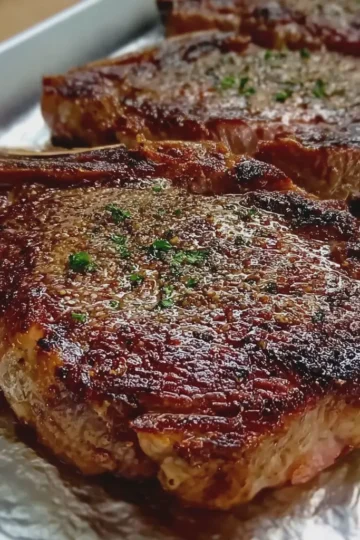
Ribeye steak is often regarded as the king of cuts for several reasons. First and foremost, its exquisite marbling—those beautiful flecks of fat within the meat—ensures that every bite is luscious and juicy. When cooked properly, ribeye becomes an incredibly tender cut, making it a pleasure to eat.
Additionally, ribeye steak is highly versatile. Whether you prefer grilling, pan-searing, or broiling, this cut holds up beautifully. You can enjoy it simply seasoned with salt and pepper or elevate it with a homemade marinade. For those keen on learning more about the best cooking methods for steak, the American Beef Council offers a wealth of information.
Ideal for Any Occasion
Ribeye steak isn’t just for special occasions—it's perfect for weeknight dinners, too. Imagine treating yourself after a long day at work with a perfectly seared ribeye paired with your favorite sides, such as roasted vegetables or creamy mashed potatoes. With just a little preparation, you can create a restaurant-quality experience right in your kitchen.
As a personal note, I remember the first time I cooked ribeye at home. The sizzle of the meat hitting the hot pan filled my kitchen with a mouthwatering aroma. After only a few minutes, I had a gorgeous steak that wowed my friends at dinner. Experiences like these remind us that cooking can be both enjoyable and rewarding.
A Red Meat Choice Worth Making
If you’re looking for nutrition, ribeye steak provides important vitamins and minerals, including vitamin B12, zinc, and iron. These nutrients can support your health and well-being, especially if you enjoy them as part of a balanced diet. Just remember to pair your ribeye with nutrient-dense sides for a meal that is as satisfying as it is healthy.
Ready to explore some mouthwatering ribeye steak recipes that you can whip up in no time? Let’s get cooking!
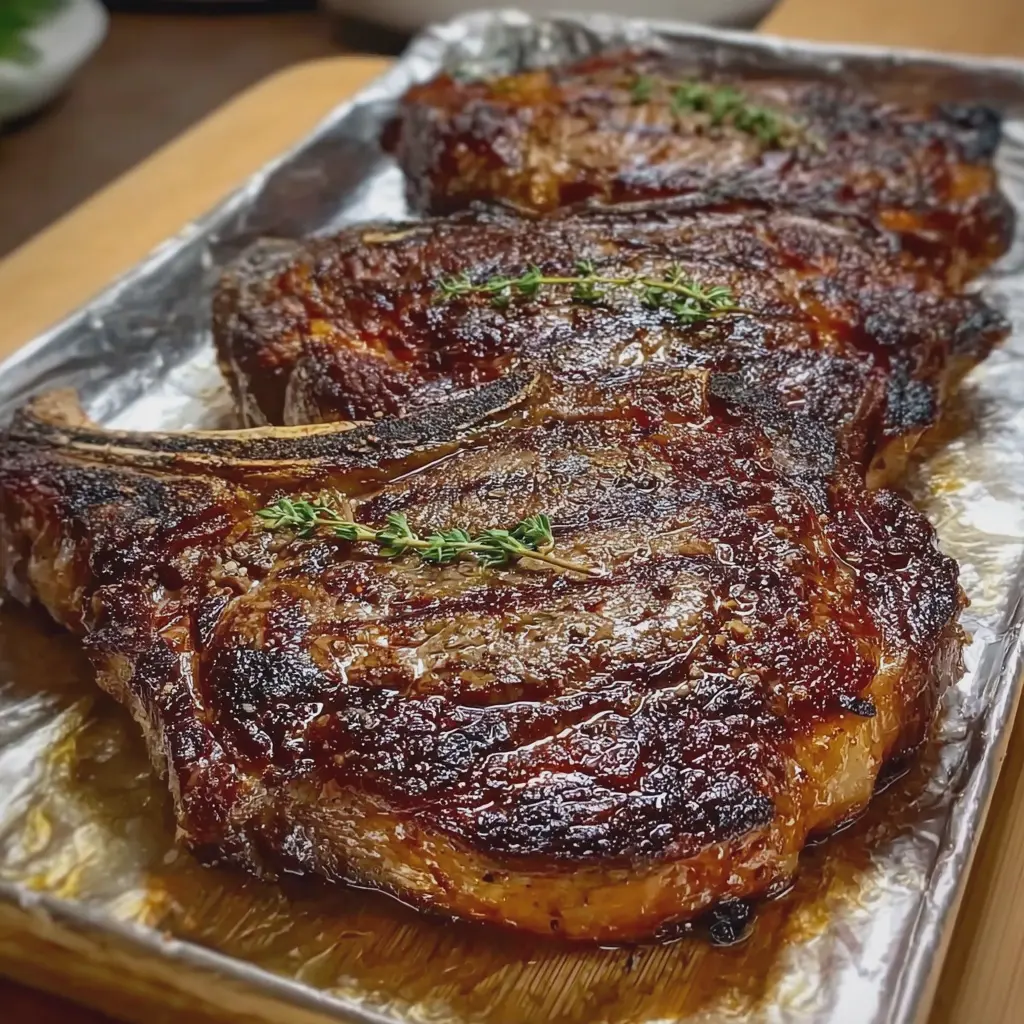
Ingredients for Ribeye Steak
Creating the perfect ribeye steak hinges on high-quality ingredients. Let’s dive into what you’ll need for this mouth-watering dish that’s perfect for impressing your friends or enjoying on a quiet evening at home.
The Star of the Show: Ribeye Steak
- Ribeye Steak: Aim for USDA Prime or Choice cuts, with good marbling to ensure juiciness and flavor.
Flavor Enhancers
- Salt: Ideal for seasoning before cooking, enhancing the steak's natural flavors.
- Freshly Ground Black Pepper: Adds a kick that complements the richness of the beef.
Optional Ingredients for the Sizzle
- Olive Oil: Helps achieve that beautiful sear and caramelization. Choose an extra virgin for added richness.
- Garlic: A couple of cloves, lightly crushed, can infuse the steak with a delightful aroma.
- Fresh Herbs: Rosemary or thyme can give a fresh, aromatic touch—just a few sprigs will do!
Cooking Tools
- Cast Iron Skillet or Grill: Essential for achieving that perfect crust, as discussed in this BBQ guide.
With just these ingredients, you set up the groundwork for a ribeye steak that will tantalize your taste buds. What’s your favorite way to enjoy ribeye?
Preparing Ribeye Steak
Cooking a ribeye steak might sound intimidating, but with the right preparation and techniques, you’ll feel like a grill master in no time. Follow these steps to make a ribeye steak that’s juicy, flavorful, and downright irresistible.
Take a moment for your steaks
Before you even think about cooking, take your ribeye steaks out of the fridge and give them some time to reach room temperature. This may seem simple, but it's crucial! Allowing your steaks to warm up for about 30-45 minutes will help them cook more evenly, resulting in a tender bite throughout. Pro tip: while your steaks are resting, you can use this time to set up your cooking area, ensuring everything is within reach.
Dry, rub, and season your ribeye steaks
Next up, it's time to bring out that flavorful goodness. Start by patting your ribeye steaks dry with paper towels. This step is essential because it helps achieve that beautiful crust during cooking. After drying, you can generously season the steaks. A simple blend of kosher salt and freshly cracked black pepper works wonders, but you can elevate it by adding:
- Garlic powder
- Onion powder
- Smoked paprika
Rub the spices directly into the meat, ensuring an even coating. Don’t be shy; ribeye steaks can handle a solid amount of seasoning.
Heat things up with your skillet
Now, it’s time to heat up your skillet. Whether you’re going for a cast-iron pan or a stainless-steel option, make sure to preheat it over medium-high heat for about 5-7 minutes. You want the pan hot enough so that when you place the ribeye steaks in, they sizzle enthusiastically. For added non-stick benefits, consider a splash of oil, such as canola or avocado oil, which withstand higher temperatures without burning.
Sear to perfection: Timing is everything
Once your skillet is ready, carefully place the ribeye steaks in, but resist the urge to move them around. Timing is everything! Sear each side for about 4-5 minutes to get that golden-brown crust. Be aware that the cooking time may vary depending on your preferred steak doneness:
- Rare: 120°F
- Medium-rare: 130°F
- Medium: 140°F
- Medium-well: 150°F
- Well done: 160°F and above
The art of basting with garlic and herbs
After flipping your ribeye steak for the second time, it's the perfect moment to introduce some aromas. Add a couple of cloves of crushed garlic and a few sprigs of fresh herbs—like rosemary or thyme—to the pan. As the steak continues cooking, use a spoon to baste the melted fat over the steak. This method intensifies the flavor and helps keep the meat juicy.
Know when to call it quits: Checking doneness
A meat thermometer is your best friend here. Check the internal temperature of the steak to gauge doneness accurately. If you don’t have a thermometer, use the finger test method, but be advised, it takes some practice to master.
Let your steak rest
Just when you think you’re done, here comes the crucial step: letting your ribeye steak rest. Transfer it to a cutting board and cover it loosely with foil for about 5-10 minutes. This time allows the juices to redistribute, ensuring every bite is succulent and full of flavor.
In summary, preparing a ribeye steak is an art that blends simplicity with skill. By following these steps, you’ll not only impress your friends and family but also elevate your weeknight dinners. So roll up your sleeves, get cooking, and savor the rich flavors of your homemade ribeye steak! For more cooking tips and techniques, you can check resources from America's Test Kitchen or Serious Eats to expand your culinary repertoire.
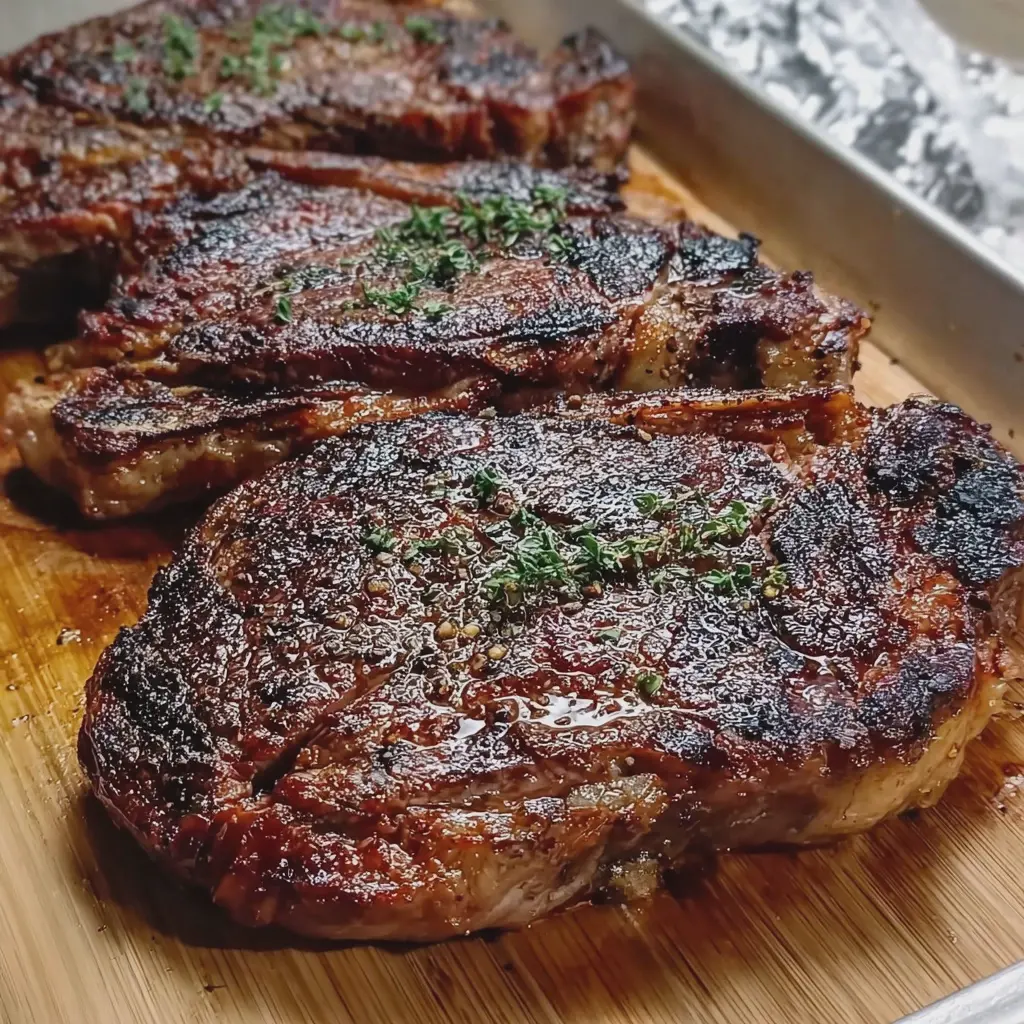
Variations on Ribeye Steak
Ribeye Steak with a Spicy Twist
If you’re a fan of heat, why not take your ribeye steak experience to the next level with a spicy marinade? A mix of chili powder, cayenne pepper, and a splash of lime juice can breathe new life into your usual preparation. Marinate your steak for at least an hour—this can help tenderize the meat while infusing it with bold flavors. Pair it with a refreshing yogurt dip to balance out the heat—it’s a real crowd-pleaser!
Herb-Crusted Ribeye Steak
For a touch of sophistication, consider an herb-crusted ribeye steak. A blend of rosemary, thyme, and garlic is perfect for enhancing the rich flavors of the meat. Simply rub the mixture onto your steak and let it sit for a few hours to allow those flavors to meld. Cooking it with a generous coat of olive oil not only helps the herbs stick but also adds a delicious crust when seared. It’s an elegant dish that makes any weeknight feel like a special occasion.
BBQ-Style Ribeye Steak
Who can resist the smoky aroma of a BBQ-style ribeye steak? Marinate your steak in a homemade barbecue sauce made from ingredients like brown sugar, mustard, and your favorite spices. Grill it over medium-high heat for that perfect char while keeping the inside juicy. Add a side of grilled veggies for a complete meal that embodies the essence of summer dining, even in winter!
For more inspiration, check out resources on grilling techniques from Serious Eats and Barbecue Bible. Each of these variations can elevate your ribeye game, making every bite a new adventure!
Cooking tips and notes for Ribeye Steak
The importance of cooking temperature
To achieve the perfect ribeye steak, understanding cooking temperature is crucial. A high internal temperature will make your steak tough and chewy, while a lower temperature gives you that juicy, tender finish. Aim for an internal temperature of 130°F to 135°F for medium-rare—a favorite among steak lovers. Use a reliable meat thermometer to ensure precision. As the steak rests, it will continue to cook slightly, so consider pulling it off the heat a little before reaching your desired temp.
Equipment that makes a difference
Investing in the right equipment can elevate your ribeye steak game. Here are a few tools that can make a significant difference:
- Cast-iron skillet: Perfect for getting a beautiful sear.
- Tongs: Essential for turning and flipping without piercing the meat.
- Instant-read thermometer: A must for checking doneness quickly.
Consider checking out reputable culinary websites, such as Serious Eats, for insights on perfecting your technique. Happy cooking!
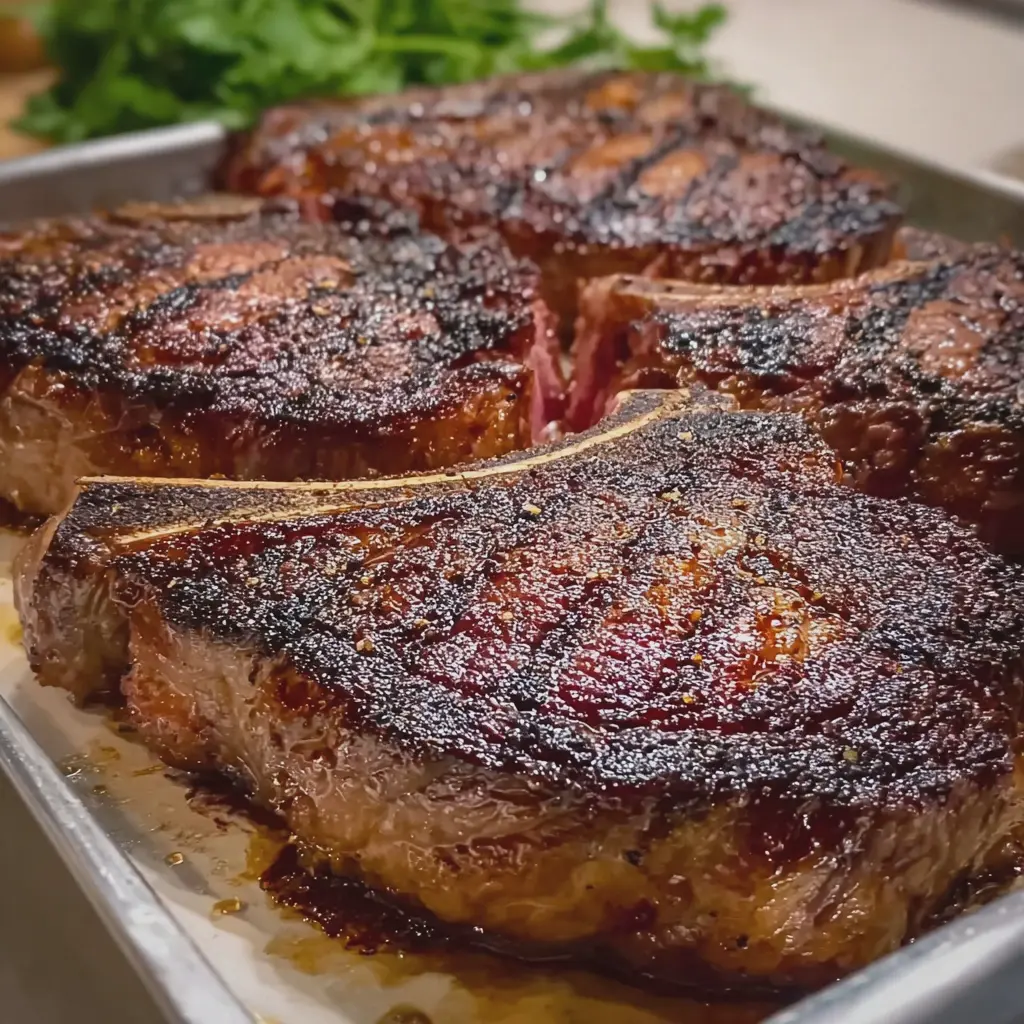
Serving Suggestions for Ribeye Steak
Perfect sides to complement your ribeye
When it comes to enjoying a juicy ribeye steak, the right sides can elevate your meal to new heights. Here are some scrumptious options:
- Creamy Garlic Mashed Potatoes: The richness pairs beautifully with ribeye, making each bite a delightful experience.
- Grilled Asparagus: A quick toss on the grill adds a smoky flavor that harmonizes perfectly with the steak.
- Roasted Brussels Sprouts: A hint of sweetness brings out the savory notes of the ribeye, especially when caramelized.
- Fresh Garden Salad: Add some crunch with greens, tomatoes, and cucumbers for a refreshing contrast.
These sides not only complement your steak but also create a well-rounded dining experience.
Great condiments to enhance flavor
Imagine taking a bite of your ribeye steak that has been drizzled with a flavorful sauce or a tantalizing condiment. Here are some stellar options:
- Chimichurri Sauce: This zesty, herbaceous sauce packs a punch and brightens up the steak’s rich flavors.
- Garlic Butter: Melted garlic butter draped over your steak provides an extra layer of indulgence.
- Horseradish Cream: If you love a bit of kick, this will elevate the ribeye without overpowering it.
Serving your ribeye steak with these sides and condiments will not only impress your guests but will make for an unforgettable meal. For more steak side recipes, check out Food Network for inspiration!
Time breakdown for Ribeye Steak
When you're gearing up to enjoy a ribeye steak, knowing the time commitment can help you plan the perfect meal. Let’s break it down:
Prep time
Getting ready to cook is half the fun! For a ribeye steak, you’ll need about 10-15 minutes to gather your ingredients, season your steak, and let it sit at room temperature. This short wait helps the flavors meld and ensures even cooking.
Cooking time
Now, onto the best part! Cooking your ribeye steak usually takes around 8-12 minutes, depending on your preferred doneness. It’s all about that perfect sear on the outside while keeping it juicy and tender inside.
Total time
In total, you're looking at about 20-30 minutes for this delicious experience. With less than half an hour, you can impress friends or treat yourself to a delightful dinner. Quick, easy, and oh-so-satisfying!
For the best tips on cooking techniques, check out resources like Bon Appétit or Serious Eats, which offer insights from culinary experts.
Nutritional facts for Ribeye Steak
When it comes to enjoying a delicious ribeye steak, understanding its nutritional breakdown can enhance your dining experience and align with your health goals. Here’s what you need to know.
Calories
A 3-ounce serving of ribeye steak typically contains around 350 calories. This makes it a hearty option for those looking to maintain or build muscle while enjoying a satisfying meal.
Protein content
One of the standout features of ribeye steak is its impressive protein content. You’ll find about 24 grams of protein in that same 3-ounce serving, which is excellent for muscle repair and overall health. Lean cuts of beef, like ribeye, are a fantastic way to hit those protein targets.
Fats
Ribeye steak is known for its marbling, giving it a rich flavor, but it also means higher fat content—approximately 27 grams of fat per serving. While some of this fat is saturated, it’s important to enjoy in moderation. According to the USDA, when consumed as part of a balanced diet, ribeye steak can be a delightful indulgence.
In summary, ribeye steak balances flavor with nutritional benefits, making it an ideal choice for a protein-packed meal. Ready to fire up the grill?
FAQs about Ribeye Steak
What's the best way to season ribeye steak?
When it comes to the perfect seasoning for ribeye steak, simplicity often reigns supreme. A blend of kosher salt and freshly cracked black pepper can elevate the rich flavor of the meat beautifully. For something a bit more adventurous, consider adding garlic powder, onion powder, or even a hint of smoked paprika for that extra zing. Remember, allowing your ribeye to rest at room temperature for about 30 minutes before cooking helps the seasoning penetrate deeper, enhancing the overall taste.
How do I choose the perfect ribeye cut?
Selecting the right ribeye is part art and part science. Look for steaks with marbling—those small white flecks of fat throughout the meat. This marbling ensures juiciness and flavor when cooked. You might also want to ask your butcher about the different grades of beef. Choice or Prime are usually the way to go for a delightful dining experience. For a more visual guide, check out this expert advice on ribeye cuts.
Can I cook ribeye steak on a grill?
Absolutely! Cooking ribeye steak on a grill is one of the best methods to achieve that coveted charred exterior while keeping the inside tender and juicy. Preheat your grill to high heat, and place the steak directly over the flames for a few minutes on each side. This technique, known as searing, locks in the flavors. If you want to get fancy, consider using a thermometer to monitor the internal temperature for perfect doneness. A good rule of thumb is 130°F for medium-rare.
With these tips in your back pocket, you’re ready to tackle ribeye steaks like a pro!
Conclusion on Ribeye Steak
In conclusion, ribeye steak is a culinary gem that can elevate any meal. Its marbling creates a rich flavor and juicy tenderness that’s hard to resist. Whether you enjoy it grilled, pan-seared, or skillet-cooked, mastering the preparation can turn your kitchen into a steakhouse.
To serve ribs like a pro, consider pairing your steak with sides like roasted vegetables or a fresh salad for balance. Don’t hesitate to try different seasonings to enhance that rich flavor and remember that letting your steak rest before slicing is key to keeping it juicy.
Explore more steak tips at Beef It's What's for Dinner. Happy cooking!
Print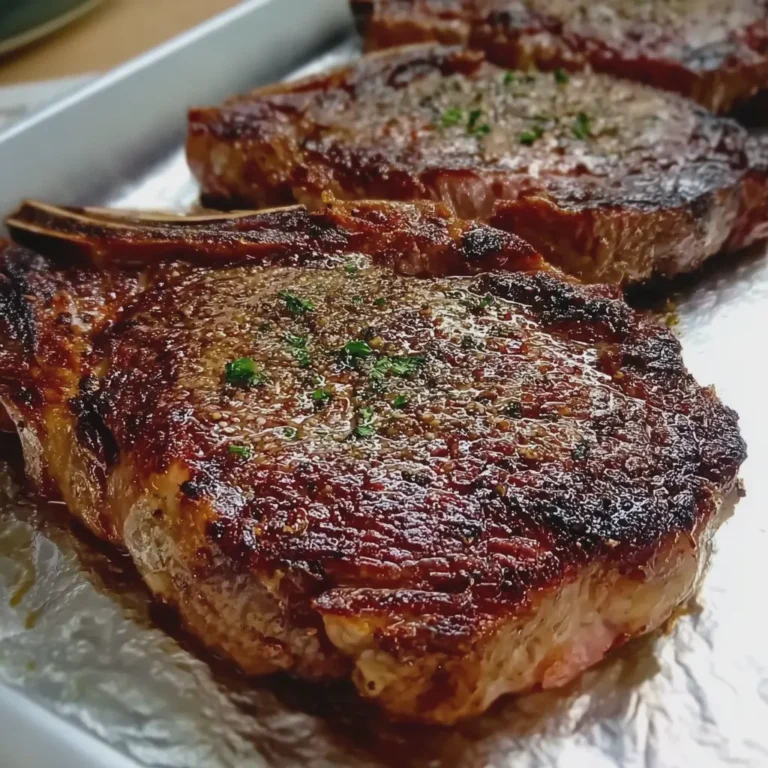
Ribeye Steak: The Juicy Comfort Food You’ll Crave at Home
Ribeye steak is a tender, flavorful cut of beef that's perfect for a hearty meal at home.
- Total Time: 20 minutes
- Yield: 2 servings
Ingredients
- 2 ribeye steaks (12-16 oz each)
- 2 tablespoons olive oil
- 1 teaspoon salt
- 1 teaspoon black pepper
- 2 sprigs fresh rosemary
Instructions
- Preheat your grill or skillet over high heat.
- Pat the ribeye steaks dry with paper towels.
- Rub both sides of the steaks with olive oil, salt, and pepper.
- Add rosemary on top of the steaks.
- Place the steaks on the grill or skillet, cooking for 4-5 minutes on each side for medium-rare.
- Remove from heat and let rest for 5 minutes before serving.
Notes
- For added flavor, marinate the steaks for a few hours before cooking.
- Ensure the grill is properly preheated for a better sear.
- Prep Time: 10 minutes
- Cook Time: 10 minutes
- Category: Dinner
- Method: Grilling
- Cuisine: American
- Diet: Carnivore

Leave a Reply