
Introduction to Ribeye Steak
Ribeye steak is more than just a meal—it's an experience! For young professionals navigating the demands of work and social life, this delectable cut of beef offers a menu option that’s both satisfying and straightforward. Whether you’re cooking for yourself after a long day or hosting friends for dinner, ribeye steak is a fantastic choice that never disappoints.
Why Ribeye Steak is the Perfect Choice for Young Professionals
When you're balancing projects at work with a bustling social life, it’s essential to have recipes that are not only quick but also deliver maximum flavor. The ribeye steak shines in this regard, praised for its rich flavor and tenderness, making it a standout on any plate. Here are a few reasons why ribeye should be a staple in your cooking repertoire:
- Quick Cooking Time: You can whip up a perfect ribeye steak in about 10-15 minutes! This allows you to enjoy a gourmet-level meal without spending hours in the kitchen.
- Flavorful Fat Marbling: Ribeye steaks are renowned for their generous marbling, which keeps the meat juicy and flavorful as it cooks. This means a shortcut to a flavorful dinner without requiring complex seasonings or sauces.
- Versatile Pairings: Ribeye pairs well with various sides—from a simple salad to roasted vegetables or even creamy mashed potatoes. It’s an adaptable choice that fits any occasion or theme, making it perfect for casual meals or more formal gatherings.
- Nutritional Value: Rich in protein and essential vitamins, ribeye steak fits well into an active young professional's diet. According to the USDA, a 3-ounce serving can provide around 25 grams of protein, helping you stay energized throughout your busy days.
In addition to its great characteristics, cooking with ribeye steak can also be a chance to unwind and take pride in the meal you create. Imagine inviting friends over for a dinner party, and being able to dish out perfectly cooked ribeye steaks that have them not only raving about the food, but also about your culinary skills!
As you embark on this ribeye adventure, check out The Kitchn for additional tips on cooking techniques and side dishes that pair perfectly with your steak. Enjoy the process of cooking and savor every bite!
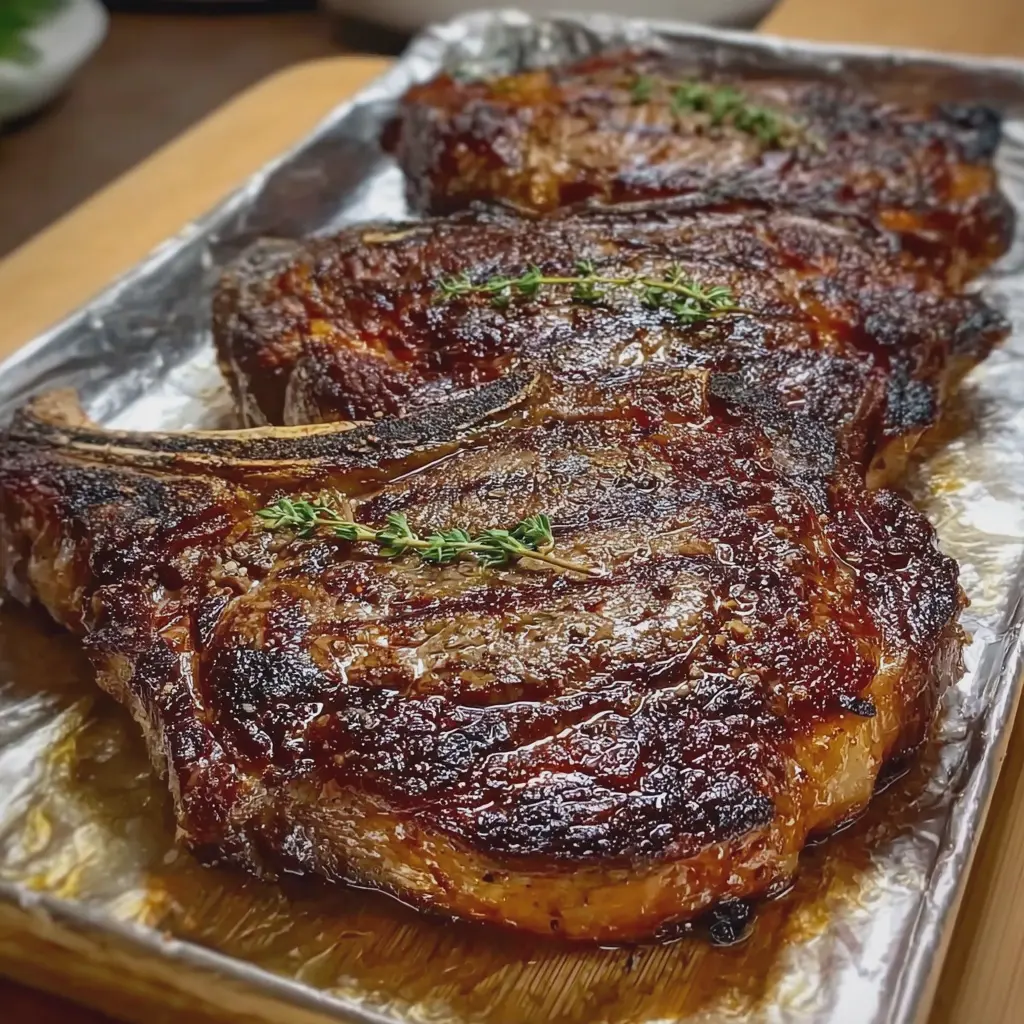
Ingredients for Ribeye Steak
Essential Ingredients for a Flavorful Ribeye
When it comes to crafting an incredibly delicious ribeye steak, the right ingredients make all the difference. Let’s explore the essentials that will elevate your steak game:
- Ribeye Steak: Choose a high-quality cut with nice marbling. Look for steaks about 1 to 1.5 inches thick. This ensures tenderness and flavor.
- Salt and Pepper: Simplicity is key! A generous sprinkle of kosher salt and freshly cracked black pepper helps enhance the natural flavors of the meat.
- Olive Oil: Drizzling some extra virgin olive oil on the steak before cooking allows for better searing and adds a lovely flavor.
- Garlic: Freshly minced or whole cloves can infuse the steak with an aromatic essence while it cooks.
- Herbs: Fresh rosemary or thyme make a fantastic addition, adding that aromatic touch when combined with garlic or other spices.
- Butter: A pat of unsalted butter to finish makes every bite rich and decadent.
These ingredients are straightforward yet powerful. Combine them wisely for an unforgettable dining experience. Want to dive deeper into specific techniques? Check out this guide on perfect steak cooking methods. It’ll have you mastering the art of steak in no time!
Step-by-Step Preparation of Ribeye Steak
Preparing a delicious ribeye steak is an art that anyone can master with the right approach. So, roll up your sleeves and let’s dive into this step-by-step guide that will have your taste buds dancing and your friends swooning over your culinary skills.
Bring the Ribeye Steak to Room Temperature
Starting things off right, remove your ribeye steak from the fridge about 30-45 minutes before cooking. This process allows for more even cooking, preventing the outside from overcooking while the inside remains cold. Not only does it enhance the overall flavor and texture, but it also helps you achieve that perfect medium-rare finish, which is often considered the gold standard for a ribeye steak.
Season the Steak Generously
Once your ribeye is at room temperature, it’s time to season. You want to be generous — think less is more! Here's what to do:
- Kosher Salt: This helps to draw out moisture and create that coveted crust.
- Freshly Ground Black Pepper: A must for that savory kick.
- Optional Additions: If you’re feeling adventurous, consider adding some garlic powder or smoked paprika for an extra layer of flavor.
Many chefs emphasize that seasoning should not be a last-minute task. For the best flavor, let the salt work its magic for a good 15-20 minutes before cooking. This simple step can elevate your ribeye steak dramatically.
Heat Your Skillet
Your skillet is the secret weapon here. A cast-iron skillet is a favorite among cooking enthusiasts, but any heavy-bottomed skillet will do. Here’s how to prepare:
- Place your skillet on medium-high heat and allow it to get hot. This usually takes 5-10 minutes.
- You can test the heat by flicking a few drops of water into the pan. If they dance and evaporate almost instantly, you are ready!
This preheating is essential for getting a perfect sear on your ribeye steak, which enhances flavor and texture.
Sear the Ribeye Steak
Now comes the fun part: cooking! Here’s how you should sear your ribeye:
- Once the skillet is hot, add a small amount of cooking oil (like avocado or canola) to the pan.
- Carefully place your steak in the skillet. You should hear a satisfying sizzle — that’s the sound of deliciousness starting!
- Do NOT touch the steak for about 4-5 minutes. Trust the process! You want a beautiful crust to form.
- Once you’ve achieved that deep brown crust, flip the steak using tongs.
Searing is what gives your ribeye that incredible outer flavor. According to cooking expert Salt Bae, this initial browning is essential and can enhance the Maillard reaction, the chemical process that creates those delightful flavors.
Add Butter and Herbs for Extra Flavor
As your ribeye cooks, this is the opportune moment to amp up the flavors. Toss in a couple of tablespoons of unsalted butter and sprinkle in some fresh herbs, like thyme or rosemary. Here’s how:
- As the butter melts, use a spoon to baste the ribeye for about 1-2 minutes. This technique not only adds richness but also enhances the aroma and overall flavor.
Finish Cooking to Your Preferred Doneness
It’s time to determine how you like your ribeye cooked. Here’s a handy guide for doneness levels:
- Rare: 120°F
- Medium Rare: 130°F
- Medium: 140°F
- Well-Done: 160°F
Use a meat thermometer for accuracy. Insert it into the thickest part of the steak to get an accurate reading. Remember, the steak will continue to cook slightly after you remove it from the heat — so deduct about 5°F from your target temperature.
Allow the Steak to Rest
After all that culinary magic, the final step is to let your ribeye steak rest for at least 10 minutes. This allows the juices to redistribute throughout the meat, ensuring a tender and juicy bite every time. Cover it loosely with aluminum foil so it stays warm without steaming.
Conclusion
And there you have it — a perfectly cooked ribeye steak ready to be enjoyed! Whether you’re serving it up with a side of roasted vegetables or a fresh salad, follow these steps, and you’ll be impressively masterful in your steak-cooking game. Dig in and savor the flavors of your hard work!
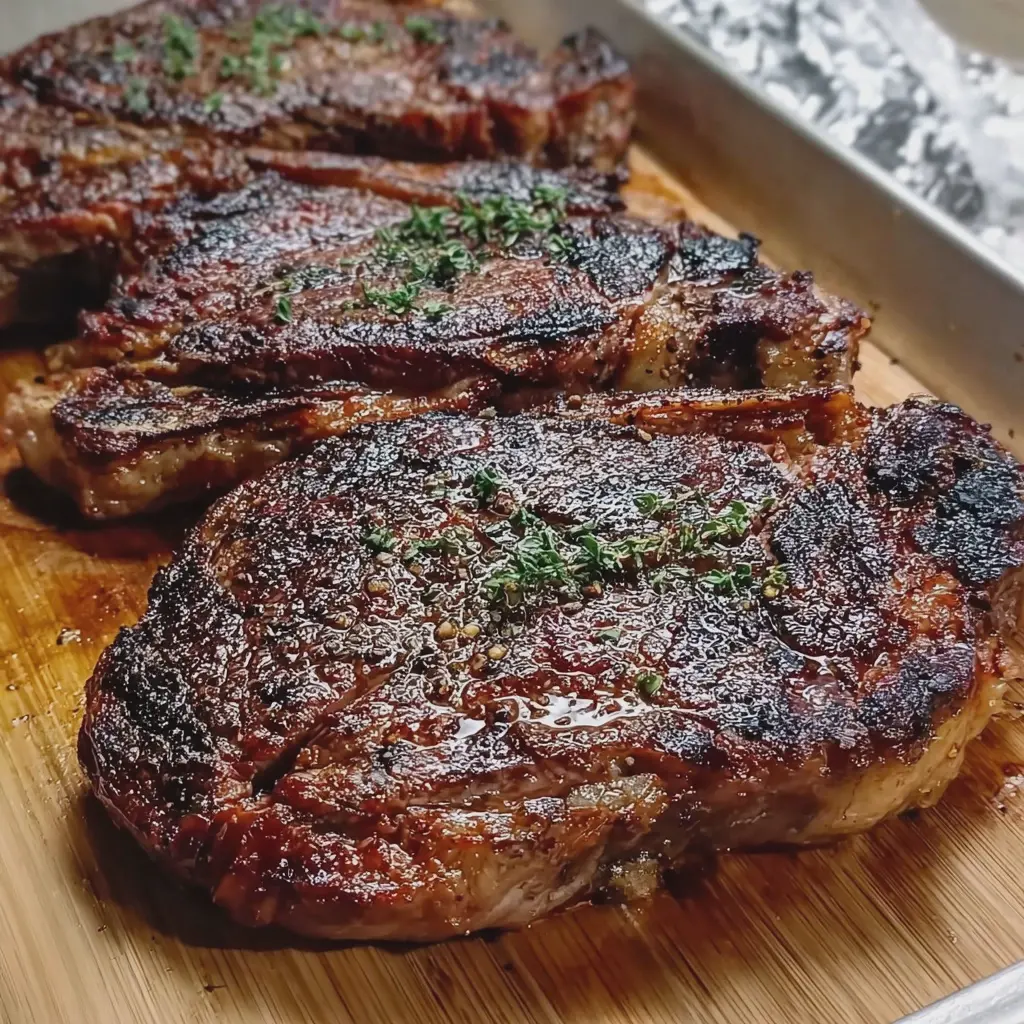
Variations on Ribeye Steak
When it comes to ribeye steak, versatility is key. This prized cut can serve up more than just a perfect sear; it transforms beautifully with a few creative tweaks. Let’s explore a couple of mouthwatering variations that will elevate your steak game.
Ribeye Steak with a Spicy Twist
If you’re looking to add a little kick to your ribeye steak, consider a spicy marinade or rub. Mix together crushed red pepper flakes, garlic powder, and a touch of cayenne with olive oil to form a paste. Rub this blend over your steak and let it marinate for at least an hour. The result? A beautifully charred steak with a fiery flavor that will tantalize your taste buds. You could even pair this spicy delight with roasted veggies, such as bell peppers and zucchini, to balance the heat with some sweet freshness.
For more robust spicy recipes, check out resources from Chili Pepper Madness for inspiration!
Herb-Crusted Ribeye Steak
Bring a fresh twist to your ribeye steak with an herb crust. Simply chop fresh herbs like rosemary, thyme, and parsley, mix them with breadcrumbs and a bit of olive oil, and press onto the meat right before grilling. This herbaceous coating not only adds flavor but also creates a delightful texture.
Serve your herb-crusted steak alongside a zesty lemon aioli for an added layer of creaminess and brightness in each bite. Trust me, it’s a crowd-pleaser!
Have a favorite variation? Share your experiences in the comments, or check out other ribeye steak recipes for more culinary adventures!
Cooking Tips and Notes for Ribeye Steak
Tips for Achieving the Perfect Sear
To get that mouthwatering sear on your ribeye steak, start by ensuring your skillet or grill is hot—think medium-high heat. A well-preheated surface helps in creating that beautiful crust. Here are a few quick tips:
- Pat Dry: Make sure to pat your steak dry with paper towels. This removes excess moisture, allowing for a better sear.
- Oil: Use a high smoke point oil, like canola or avocado oil, to promote even cooking.
- Don’t Crowd: If you’re cooking multiple steaks, give them space. Overcrowding lowers the pan temperature and can lead to steaming rather than searing.
Notes on Choosing the Right Ribeye Cut
When selecting your ribeye steak, keep an eye on the marbling. The streaks of fat throughout the meat enhance flavor and juiciness. Look for:
- Choice or Prime Grade: These grades usually provide the best flavor and tenderness.
- Thickness Matters: Aim for at least 1 to 1.5 inches thick for a great balance of sear and juicy interior.
Did you know? The USDA suggests that your steak rests for about 5-10 minutes after cooking to allow the juices to redistribute. For further insights on beef cuts, check this guide.
With these tips and notes, you’re on your way to a perfect ribeye experience! Happy cooking!
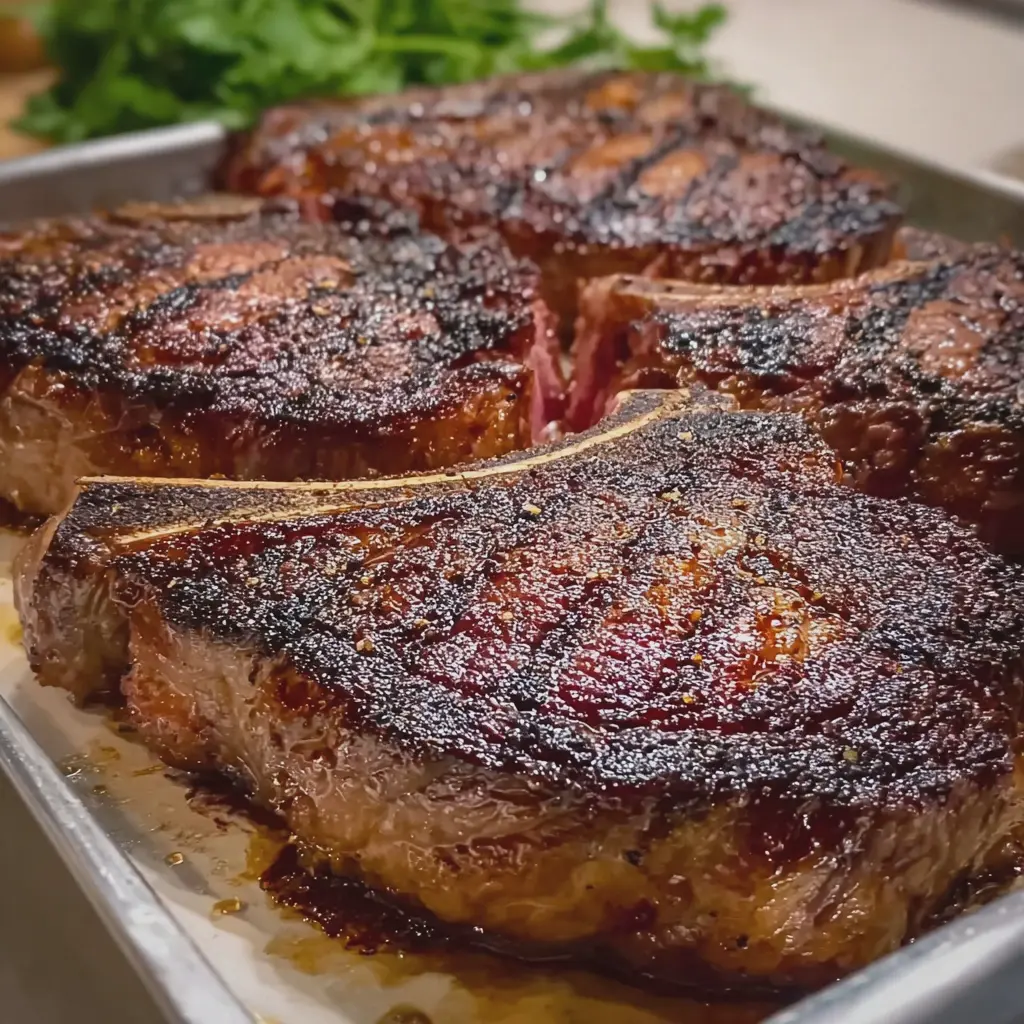
Serving Suggestions for Ribeye Steak
Deliciously rich and juicy, ribeye steak is a crowd-pleaser at any gathering. So, how do you elevate your meal to the next level? Let’s explore some fantastic serving suggestions!
Pairing Ideas for Your Ribeye Steak
When it comes to beverages, think beyond the ordinary. A crisp sparkling water infused with lemon or a fruity mocktail can really complement the rich flavors of your ribeye steak. For a twist, try serving it alongside a homemade garlic herb butter for that extra burst of flavor.
Creative Side Dishes to Complement Your Meal
Finding the right side dishes can make your ribeye experience unforgettable. Consider these crowd-pleasers:
- Roasted Garlic Mashed Potatoes: Creamy and flavorful, they provide a comforting backdrop.
- Sautéed Asparagus with Parmesan: This adds a fresh crunch and bright color to your plate.
- Grilled Corn on the Cob: Sweet and smoky, it’s the perfect summer side.
- Turkey Bacon-Wrapped Green Beans: For a delightful twist, this adds a savory touch.
Each of these choices enhances the ribeye steak, making your dinner a memorable feast. Happy cooking!
Time Breakdown for Ribeye Steak
Preparation time
Getting organized is half the battle when it comes to cooking a mouthwatering ribeye steak. Spend about 15-20 minutes marinating your steak and prepping your ingredients. This includes seasoning and allowing the meat to come to room temperature, which helps it cook evenly.
Cooking time
Once you’re ready to sizzle, the cooking time for a ribeye steak is around 8-12 minutes on high heat, depending on how you like it cooked. For those who enjoy a perfect medium-rare, aim for about 5-6 minutes per side. Be sure to use a meat thermometer for accuracy!
Total time
In total, you’re looking at around 30-40 minutes from start to finish. With minimal effort, you’ll have a delectable ribeye steak that’s sure to impress dinner guests or elevate a quiet night in. This detailed breakdown can make all the difference, ensuring your cooking experience is both enjoyable and rewarding! For more tips on steak perfection, check out sources like Serious Eats and The Kitchn.
Nutritional Facts for Ribeye Steak
Calories per serving
When you indulge in a delicious ribeye steak, you're looking at approximately 300-400 calories per 3-ounce serving, depending on the cooking method and whether you trim some of the visible fat. This makes it a satisfying yet calorically manageable option for your next dinner. So, if you've been wondering how to balance taste with calorie content, ribeye might just be your steak of choice!
Macronutrient breakdown
The ribeye steak is renowned not only for its flavor but also for its nutritional benefits. Here’s a breakdown of its macronutrients per serving:
- Protein: About 22-25 grams, perfect for muscle recovery and building.
- Fat: Roughly 20-25 grams, including healthy monounsaturated fats that can support heart health.
- Carbohydrates: Zero grams, making it a great option for low-carb diets.
If you're interested in a well-rounded meal, consider pairing your steak with a fresh salad or some roasted vegetables. For more insights into the nutritional value of meats, the USDA provides detailed information on their FoodData Central website.
Have you tried experimenting with different seasonings or cooking techniques to enhance your ribeye experience?
FAQs about Ribeye Steak
When it comes to ribeye steak, questions are inevitable! Here are some of the most common inquiries to help you navigate your cooking experience.
What is the best doneness for ribeye steak?
The perfect doneness for a ribeye steak really depends on your personal preference, but a medium-rare finish is widely celebrated for its tenderness and flavor. This typically registers at around 135°F (57°C). The marbling in ribeye cuts makes them particularly flavorful, and at medium-rare, the fat is warm and melted, releasing excellent taste. For more tips on meat doneness, check out resources like the USDA's guidelines.
How do I know when my ribeye steak is done?
The best way to gauge the doneness of your ribeye steak is by using an instant-read thermometer. Insert it into the thickest part of the steak, and these general temperature benchmarks can guide you:
- Rare: 120°F (49°C)
- Medium Rare: 130°F (54°C)
- Medium: 140°F (60°C)
You can also test by touch—press it with your finger. A soft, springy texture indicates a rare steak, while a firmer feel suggests it’s more cooked.
Can I use a grill instead of a skillet?
Absolutely! Grilling your ribeye steak adds a delightful smoky flavor that many love. When grilling, ensure your grill is preheated and the grates are clean. Cooking times may vary, but the process is quite similar. Those beautiful grill marks can actually elevate the presentation as well.
Incorporating a ribeye steak into your meals not only brings flavor but also offers a unique cooking experience. Whether you’re searing it in a skillet or grilling it outdoors, you’re in for a delicious treat! Have any more questions or tips to share? Feel free to reach out!
Conclusion on Ribeye Steak
Enjoying homemade ribeye steak: Your new culinary adventure!
As you venture into the world of cooking ribeye steak, you'll discover not just a meal, but an experience to share with friends and family. A perfectly executed ribeye can turn an ordinary dinner into a special occasion. Whether you're seasoning it simply or experimenting with unique marinades, the possibilities are endless.
With every bite, remember that you're not just savoring a delicious steak; you're also exploring your culinary skills. Seeking tips and inspiration? Check out resources like Serious Eats or America's Test Kitchen for refined techniques and recipes. So fire up that grill and enjoy the adventure of crafting your perfect ribeye steak!
Print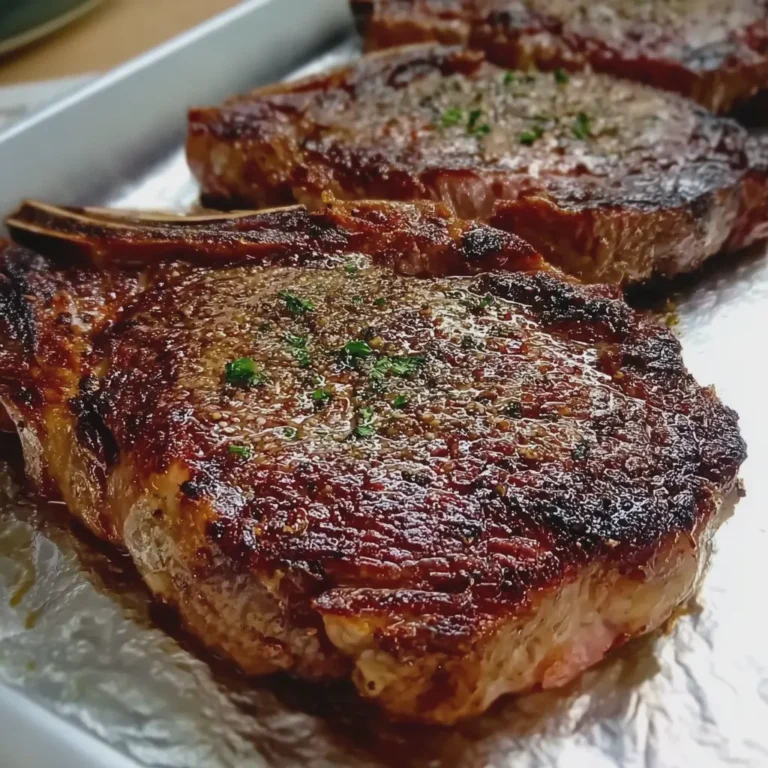
Ribeye Steak: Juicy Perfection for Your Next Homemade Feast
Discover the mouthwatering delight of ribeye steak, the perfect centerpiece for your next homemade feast.
- Total Time: 20 minutes
- Yield: 2 servings
Ingredients
- 2 ribeye steaks
- 1 tablespoon olive oil
- 2 teaspoons salt
- 1 teaspoon black pepper
- 3 cloves garlic, minced
- 2 sprigs fresh rosemary
- 2 tablespoons butter
Instructions
- Remove steaks from the refrigerator and let them come to room temperature for about 30 minutes.
- Preheat your grill or skillet over high heat. Add olive oil.
- Season both sides of the steaks with salt and pepper.
- Once the grill or skillet is hot, place the steaks on it and cook for about 4-5 minutes per side for medium-rare.
- Add minced garlic and rosemary to the skillet during the last minute of cooking.
- Finish with butter, spooning it over the steaks as they finish cooking.
- Remove from heat and let rest for 5 minutes before slicing.
- Serve and enjoy your delicious ribeye steak!
Notes
- For extra flavor, marinate the steaks for a few hours before cooking.
- Pair with grilled vegetables or mashed potatoes for a complete meal.
- Prep Time: 10 minutes
- Cook Time: 10 minutes
- Category: Main Course
- Method: Grilling
- Cuisine: American
- Diet: Omnivore



Leave a Reply